Morocco mixes Arab, Berber, African and European influences. Within a relatively compact area you get the medinas of Marrakech and Fes, the dunes of the Sahara, the snow-capped Atlas Mountains and the Atlantic coast.
This guide covers where to go, when to go, what it costs and how to get around, for riad stays, a night in a desert camp, trekking in the Atlas or time in the old cities.
Prices and opening details change, so check them again before you travel.
Why Visit Morocco?
Morocco is close to Europe (about 3 hours' flight from many Western European capitals) and has a stable political environment, well-developed tourism infrastructure and good value, which suits both first-time visitors to Africa and experienced travelers.
The country's appeal lies in its contrasts. From Marrakech you can walk a UNESCO-listed medina in the morning and lunch in the Atlas Mountains the same day; the Sahara dunes are a further day's drive. Moroccan culture places great value on welcoming guests.
Cultural Richness
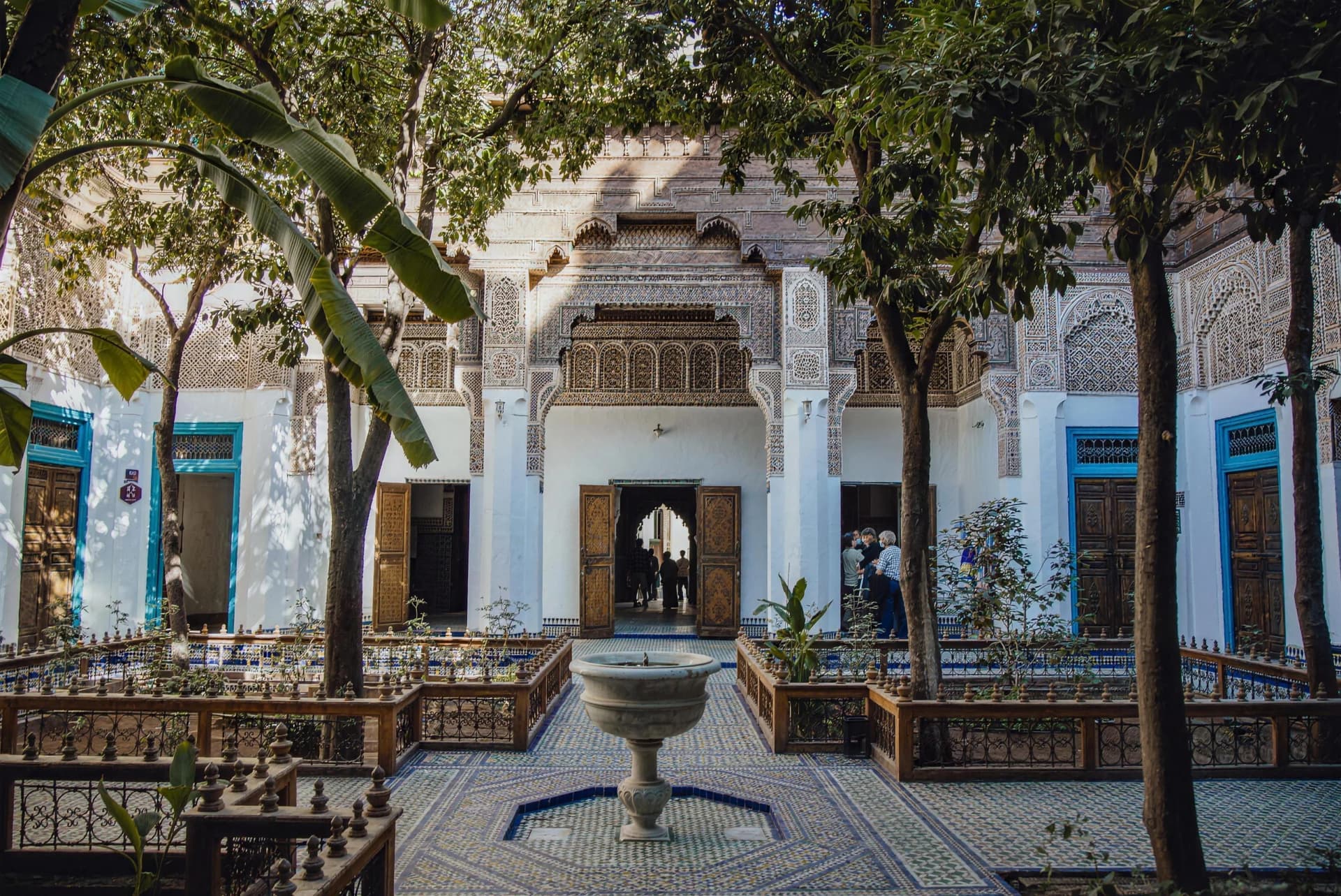
Morocco's culture mixes Berber, Arab, African and European influences, and you see it in the architecture, music, art, cuisine and daily life. Old traditions sit alongside modern habits: you'll see women in traditional djellabas chatting on smartphones, hear the call to prayer echoing over busy cafes, and discover centuries-old medinas thriving as living cities.
Landscape Diversity
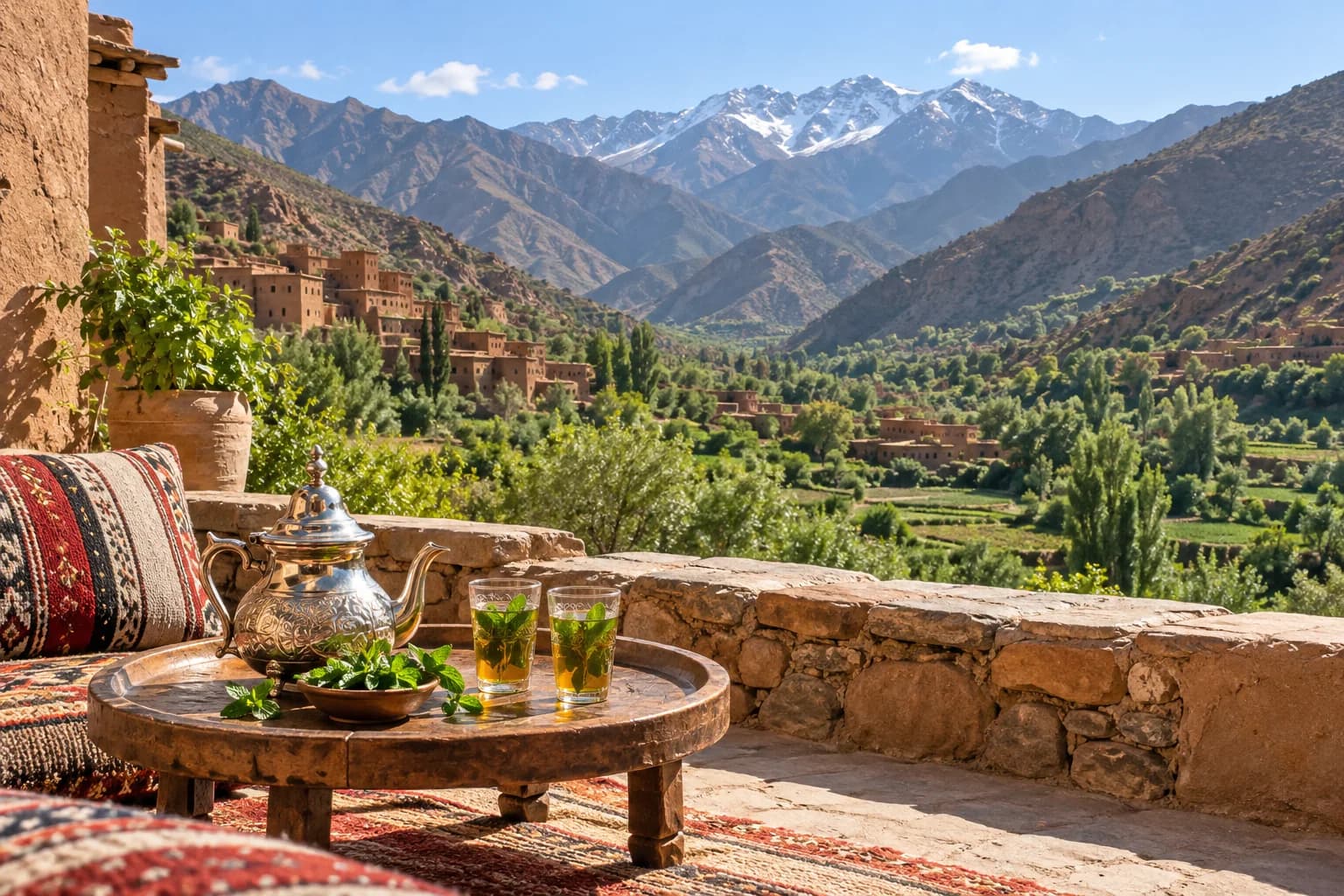
Few countries pack such geographic variety into a manageable area. The Atlas Mountains provide dramatic Alpine scenery with peaks reaching over 4,000 meters. The Sahara Desert offers otherworldly landscapes of towering dunes and stark beauty. The Atlantic and Mediterranean coasts feature pristine beaches and historic port cities. Fertile valleys produce olives, citrus, and argan oil. This diversity means you can experience multiple climates and ecosystems in a single trip.
Accessibility and Value
Morocco offers exceptional value compared to European destinations, with luxury experiences available at moderate prices. A night in a beautiful riad costs what you'd pay for a standard hotel room in Paris or London. Excellent meals are affordable, and even premium experiences like private desert camps remain reasonably priced. The tourism infrastructure is well-developed with good roads, reliable transportation, and accommodations ranging from budget-friendly to ultra-luxury.
Key Takeaways
- Morocco combines exotic appeal with easy accessibility from Europe and North America
- Diverse landscapes from mountains to desert to coast offer variety in one trip
- Culture blending Arab, Berber, African and European influences
- Excellent value with luxury experiences at moderate prices
- Well-developed tourism infrastructure ensures comfort and convenience
Geography & Climate Zones
Understanding Morocco's geography and climate is essential for planning when and where to visit. The country spans from the Mediterranean Sea in the north to the Sahara Desert in the south, with the Atlas Mountains running diagonally across the middle. This creates distinct climate zones, each with optimal visiting seasons.
The Atlas Mountains
The Atlas range divides Morocco climatically and culturally. The High Atlas peaks remain snow-capped much of the year, with Mount Toubkal (4,167m) being North Africa's highest summit. The Middle Atlas offers cedar forests and Berber villages, while the Anti-Atlas provides dramatic rocky landscapes. Mountain areas are coolest year-round, with winter snow and mild summers, making them perfect summer escapes and winter ski destinations.
The Sahara Desert
Morocco's Sahara, accessible from Merzouga and M'hamid, experiences extreme temperature variations. Summer days can exceed 45°C (113°F), while winter nights drop below freezing. Spring (March-May) and autumn (September-November) offer ideal conditions with warm days (25-30°C) and cool nights. The landscape ranges from the dramatic Erg Chebbi dunes near Merzouga to the more remote Erg Chigaga near M'hamid.
Coastal Regions
The Atlantic coast enjoys mild, Mediterranean-like climate year-round. Essaouira, Casablanca, and Rabat rarely experience temperature extremes, with ocean breezes moderating the heat. The Mediterranean coast (Tangier, Tetouan) has distinct seasons with mild, wet winters and warm, dry summers. Coastal areas are perfect summer destinations when inland cities swelter.
Imperial Cities
Marrakech, Fes, Meknes, and Rabat each have distinct microclimates. Marrakech, south of the Atlas, is hottest (summer highs 38-42°C) but dry. Fes experiences more moderate temperatures but higher humidity. Rabat, on the coast, stays coolest year-round. Understanding these differences helps in planning multi-city itineraries.
Pro Tips
- Spring (March-May) and autumn (September-November) offer the best overall weather across all regions
- Summer coastal trips provide relief from inland heat
- Winter is ideal for desert exploration and city sightseeing
- Mountain areas offer year-round appeal with skiing in winter and hiking in summer
Interactive Tools
Interactive Morocco Destinations Map
Explore all major destinations with photos, descriptions, and suggested itineraries
Try It NowTrip Budget Calculator
Estimate costs for your Morocco trip based on duration, style, and preferences
Try It NowFind Your Perfect Morocco Itinerary
Answer 8 questions to get a personalized itinerary recommendation
Try It NowFree Downloadable Resources
Complete Morocco Planning Checklist
Comprehensive 12-page PDF with month-by-month planning timeline, packing lists, and pre-departure checklist
Interactive Morocco Map
Downloadable map with all major destinations, distances, and suggested routes
Budget Planning Worksheet
Excel/PDF worksheet to plan and track your Morocco travel budget
Essential Arabic Phrases Guide
Printable phrasebook with pronunciation guide
Sources & Citations
Morocco received 13 million tourists in 2019, making it one of Africa's most visited countries
World Tourism OrganizationThe medinas of Fes, Marrakech, and Essaouira are UNESCO World Heritage Sites
UNESCO World Heritage Centre
Ready to Experience Morocco?
Let our travel experts help you plan the perfect Morocco adventure based on your interests, budget, and travel style.