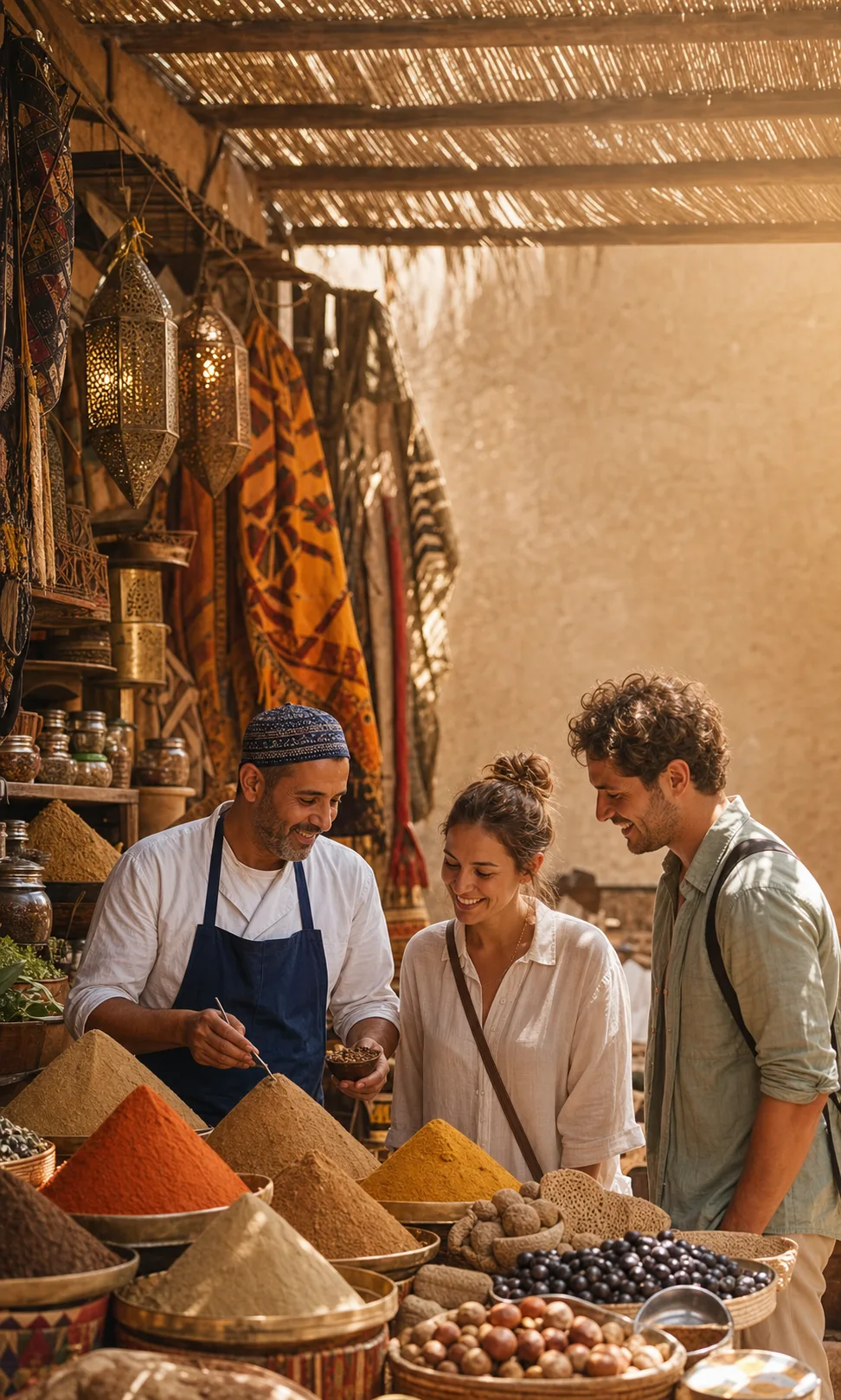
Morocco offers incredible culinary experiences, but like any travel destination, requires some awareness about food safety and dietary considerations. This comprehensive guide covers everything from s...
# Morocco Food Safety and Dietary Guide Prices on this page are typical local prices paid to third parties (hotels, guides, transport, activities), not our prices. They are rounded estimates: check locally, as prices change. Our own private trips are quoted free within 24 hours. ## Introduction Morocco offers incredible culinary experiences, but like any travel destination, requires some awareness about food safety and dietary considerations. This comprehensive guide covers everything from safe eating practices to accommodating various dietary restrictions, ensuring you can enjoy Moroccan cuisine safely and confidently. ## Food Safety: Essential Guidelines ### The Golden Rule "Peel it, cook it, boil it, or forget it" - still the safest approach for international travelers. ### Safe Food Choices #### Very Safe Options ✅ Freshly cooked hot foods - Food cooked in front of you - Steaming hot tagines - Fresh from the grill - Boiling soups ✅ Bread and baked goods - Fresh Moroccan bread (khobz) - Freshly baked pastries - Cooked in high-heat ovens ✅ Packaged foods - Sealed bottled water - Pre-packaged snacks - Sealed beverages - International brands ✅ Peel-able fruits - Oranges - Bananas - Mandarins - Melons (if you peel yourself) ✅ Well-cooked meats - Grilled skewers (cooked thoroughly) - Tagines (long-cooked) - Roasted meats #### Moderate Risk (Use Judgment) ⚠️ Raw vegetables and salads - Risk: Washed in tap water - Safer: Tourist restaurants with filtered water - Skip: Street vendor salads - Best: Cooked vegetables ⚠️ Pre-cut fruit - Risk: Unknown water source for washing - Safer: Peel your own - Skip: Street vendor cut fruit - Exception: Busy, reputable shops ⚠️ Dairy products - Fresh milk: Can be risky - Yogurt: Usually safe (acidic) - Cheese: Hard cheeses safer than soft - Pasteurized: Look for pasteurized products ⚠️ Seafood - Coastal areas: Much safer - Freshness critical: Smell it first - Well-cooked: Safer than raw - Reputable places: Essential #### Higher Risk (Avoid or Extreme Caution) ❌ Tap water - Never drink from tap - Includes ice cubes - Brushing teeth: Use bottled water - Shower: Don't swallow water ❌ Unpasteurized dairy - Fresh milk from street vendors - Soft cheeses of unknown origin - Fresh cream desserts (some cafés) ❌ Raw or undercooked eggs - Some Moroccan breakfast dishes - Mayonnaise (street food) - Aioli and cream sauces ❌ Buffet food - Food sitting at room temperature - Unknown how long sitting out - Reheated food - Exception: Busy buffets with high turnover ### Street Food Safety #### How to Choose Safe Street Food Look For: 1. Crowds of locals - Best indicator 2. High turnover - Fresh food 3. Food cooked to order - Not sitting out 4. Clean as possible - Given street conditions 5. Hot food served hot - Still steaming 6. Vendor using utensils - Not bare hands Avoid: 1. Empty stalls - Food sitting too long 2. Flies everywhere - Poor hygiene 3. Food at room temperature - Should be hot 4. Questionable smells - Trust your nose 5. Dirty preparation area - Beyond normal street level 6. Sick-looking vendor - Personal hygiene matters #### Peak Times for Street Food - Lunch (12-2 PM): Freshest, just prepared - Dinner (7-9 PM): High turnover - Avoid: Mid-afternoon when food sitting since lunch ### Restaurant Safety Levels #### Safest Options 🏨 Hotel restaurants - Highest standards - Filtered water - Western hygiene expectations - Best for sensitive stomachs 🍴 Upscale restaurants - Good hygiene standards - Quality ingredients - Trained staff - Tourism-dependent (maintain standards) #### Generally Safe 🏠 Mid-range tourist restaurants - Used to foreigners - Generally good practices - Some use filtered water - English menus often available 🏛️ Established traditional restaurants - Reputation to maintain - High turnover - Experience serving tourists #### Use More Caution 🏪 Very local restaurants - Not used to tourists - May not use filtered water for salads - Can be excellent but require stronger stomach - Build up tolerance first 🌮 Street food stalls - Variable hygiene - Choose carefully - Follow guidelines above - Start with cooked items ## Water Safety ### Drinking Water #### Never Safe from Tap - Moroccan tap water not safe for tourists - Locals may drink it (adapted) - Even in nice hotels: don't risk it - Includes ice cubes in drinks #### Bottled Water (Essential) Brands: - Sidi Ali: Most common - Sidi Harazem: Also popular - Ain Saïss: Good quality - Oulmes: Sparkling option - Any sealed bottle: Generally safe Prices: - Small (0.5L): 5-8 MAD - Large (1.5L): 6-10 MAD - Hotels: 15-25 MAD (markup) - Supermarkets: Cheapest Buying Tips: - Check seal is intact - Buy from reputable shops - Stock up at supermarkets - Carry bottle always #### Water for Other Uses Brushing Teeth: Use bottled water (serious!) Showering: Safe, but don't swallow Washing Fruit: Use bottled if eating raw Ice: Avoid unless confirmed safe source Tea/Coffee: Safe (boiled water) ### Staying Hydrated Essential in Morocco: - Hot climate demands hydration - Drink before thirsty - Minimum 2-3 liters daily - More in summer, desert, hiking Safe Hydration Options: - Bottled water - Hot tea (everywhere, safe) - Sealed juices - Packaged soft drinks - Fresh-squeezed orange juice (generally safe) - Coconut water (if sealed) ## Common Traveler's Illnesses ### Traveler's Diarrhea ("Moroccan Tummy") #### Prevention - Follow food safety rules above - Hand sanitizer frequently - Don't touch face with unwashed hands - Build tolerance gradually - Probiotics before travel #### Symptoms - Loose stools - Stomach cramps - Nausea - Usually 1-3 days - Mild to moderate #### Treatment - Hydration: Most important! - Oral rehydration salts (ORS): Buy at pharmacy - Rest: Take it easy - Bland foods: Bread, rice, bananas - Avoid: Dairy, spicy food, alcohol - Medication: Imodium for urgent situations - Antibiotics: Only if severe (see doctor) #### When to See a Doctor - Fever over 38.5°C (101.3°F) - Blood in stool - Severe pain - Lasts more than 3 days - Dehydration signs (dark urine, dizziness) - Unable to keep liquids down #### Where to Get Help - Hotel doctor (most large hotels) - Private clinics (Casablanca, Marrakech) - Pharmacies (very helpful) - Hospital emergency (severe cases) ### Food Poisoning More Severe Than Traveler's Diarrhea: - Vomiting - Fever - Severe cramps - Can occur quickly after eating Action: - Seek medical help - Hydrate - Remember what you ate (helpful for doctor) ### Prevention Strategies Before Arrival: - Probiotics 2 weeks before travel - Vaccinations up to date - Pack medications (see list below) - Travel insurance with medical coverage During Travel: - Hand hygiene obsessive - Follow safe food rules - Build tolerance gradually - Stay hydrated - Get enough sleep (immune system) ## Dietary Accommodations ### Vegetarian Travelers #### Natural Vegetarian Options Abundant: - Vegetable tagines: Ask for no meat stock - Couscous with vegetables: Specify no meat - Moroccan salads: Many vegetable salads - Zaalouk: Eggplant salad - Taktouka: Pepper and tomato - Bread and pastries: Usually vegetarian - Mint tea: Safe, everywhere Available: - Harira soup: Ask for vegetarian version - Berber omelette: Eggs with vegetables - Vegetable briouates: Cheese or vegetable filling Specialty Restaurants: - Earth Café (Marrakech): Fully vegetarian - La Famille (Marrakech): Vegetarian focus - Café Clock (Fes): Vegetarian options #### Challenges Hidden Meat: - Meat stock in "vegetable" dishes - Lard in cooking - Chicken in salads Solution: Always ask - "Bla lahm?" (Without meat?) - "Nabati?" (Vegetarian?) - Explain no meat, no chicken, no fish Communication: - "I don't eat meat" - "No chicken, no beef, no lamb" - "Only vegetables, please" Arabic Phrases: - "Ana ma nakol lahm" (I don't eat meat) - "Nabati baraka" (Vegetarian only) ### Vegan Travelers #### Natural Vegan Options Safe Bets: - Moroccan bread: Usually vegan (check) - Vegetable tagines: Without butter - Fresh salads: Oil-based dressing - Zaalouk and taktouka: Usually vegan - Olives and pickles: Everywhere - Fresh fruit: Abundant - Nuts and dried fruits: Markets Often Vegan: - Harira (sometimes): Check for meat - Bissara: Fava bean soup (usually vegan) - Baghrir: If made without eggs/milk #### Challenges Common Non-Vegan Ingredients: - Butter (zebda): In most dishes - Smen: Preserved butter - Honey: In many sweet dishes - Eggs: In some breads and pastries - Milk: In some preparations Hidden Ingredients: - Butter in "vegetable" dishes - Milk in breads - Honey in salad dressings - Eggs in pastries #### Communication Essential Phrases: - "Bla zebda" (Without butter) - "Bla halib" (Without milk) - "Bla beid" (Without eggs) - "Ana ma nakol lahm wala halib wala beid" (I don't eat meat, milk, or eggs) Strategy: - Explain clearly: no animal products - Ask about each ingredient - Seek out vegetarian restaurants (easier to adapt) - Shop at markets for fresh produce - Prepare some meals yourself (riads with kitchens) Vegan-Friendly Cities: - Marrakech: Best options (Earth Café, La Famille) - Fes: Café Clock has options - Essaouira: Vegetable-focused options - Casablanca: Modern restaurants with vegan awareness ### Gluten-Free Travelers #### Challenges Bread is Central: - Bread served with everything - Used to scoop food - Base of many dishes (rfissa, madfouna) Hidden Gluten: - Couscous (wheat) - Bread crumbs in kefta - Flour thickeners - Warqa pastry - Cross-contamination #### Safe Options Naturally Gluten-Free: - Grilled meats: Pure meat, no breading - Tagines: Usually gluten-free (check thickeners) - Salads: Vegetable salads - Eggs: Plain omelettes - Fruit: Fresh fruit - Rice dishes: Less common but available - Potatoes: In various forms - Nuts: Everywhere Ask About: - Tagine thickeners - Kefta (sometimes has breadcrumbs) - Soups (some use flour) - Sauces and gravies #### Communication Phrases: - "Ana indi hassassiya min al-qamh" (I have wheat allergy) - "Bla khobz" (Without bread) - "Hal hadchi bla qamh?" (Is this without wheat?) Strategy: - Explain serious allergy (get taken seriously) - Stick to simple preparations - Bring gluten-free snacks - Consider apartment rental with kitchen - Research restaurants in advance Helpful: - Gluten-free restaurant cards (print before travel) - Translation apps - Stay in riads with kitchens ### Kosher Travelers #### Jewish Heritage Morocco has significant Jewish history: - Historical Jewish quarters (mellahs) - Some synagogues still active - Jewish-Moroccan cuisine influence #### Kosher Options Very Limited: - Very few kosher restaurants - Mainly in Casablanca, Marrakech - Jewish community centers sometimes help Available: - Beth-El Synagogue (Casablanca): Sometimes kosher meals - Jewish community contacts: Can help arrange - Some tour groups arrange kosher meals Strategy: - Self-catering: Rent apartments, shop for kosher-style ingredients - Vegetarian/fish: Avoid meat entirely - Sealed packaged foods: International brands - Fresh produce: Markets - Pre-arrange: Contact Jewish community before travel Resources: - Chabad (sometimes in major cities) - Jewish community centers - Specialized kosher tour operators ### Halal Food #### Easy to Find Morocco is Muslim-majority country: - Almost all meat is halal - Pork not sold in most places - Alcohol separate in stores - Most food naturally halal Challenge: Some upscale restaurants serve pork, alcohol Verification: - Ask if uncertain - Restaurants clearly mark pork dishes - Generally not an issue ### Food Allergies #### Common Allergens in Moroccan Cuisine Nuts (Especially Almonds): - Used extensively - Pastries, tagines, couscous - Amlou (almond spread) - Serious allergy concern Sesame: - Pastries (chebakia) - Breads - Amlou (sometimes) Eggs: - Some breads - Pastries - Tagines (sometimes) Dairy: - Butter ubiquitous - Milk in some dishes - Cheese Shellfish: - Coastal areas - Can be in mixed seafood dishes #### Managing Allergies Essential: - Allergy card: Print in Arabic and French - EpiPen: Carry if severe - Antihistamines: Pack plenty - Medical bracelet: Wear always - Travel insurance: Medical coverage Communication: - Explain severity clearly - Use allergy cards - Ask detailed questions about ingredients - When in doubt, skip it Phrases: - "Ana indi hassassiya min..." (I have allergy to...) - "Hal fihi louz?" (Does this have almonds?) - "Khatar!" (Danger!) Strategy: - Eat at established restaurants (better understanding) - Avoid street food if serious allergy - Bring safe snacks - Research restaurants in advance - Consider apartment rental - Have emergency plan ## Healthy Eating Tips ### Balanced Moroccan Diet Healthy Aspects: - Olive oil (healthy fats) - Vegetables in tagines - Lean meats - Fresh fruits - Nuts and seeds - Spices (anti-inflammatory) - Mint tea (beneficial) Less Healthy: - Very sweet dishes - Deep-fried foods - Heavy bread consumption - Large portions - High sugar in tea ### Staying Healthy Strategies: - Balance indulgence with moderation - Choose grilled over fried - Eat plenty of salads - Fresh fruit for dessert - Request less sugar in tea - Share large portions - Walk everywhere (aids digestion) ## Essential Items to Pack ### Medications Over-the-Counter: - Imodium (anti-diarrheal) - Oral rehydration salts (or buy there) - Antacids (Tums, Pepto-Bismol) - Antihistamines (allergies) - Pain relievers (headache, body aches) - Probiotics (digestive health) Prescription: - Antibiotics (ciprofloxacin for severe diarrhea - doctor's prescription) - Regular medications (bring extra) - EpiPen (if severe allergies) ### Hygiene Items - Hand sanitizer (60%+ alcohol): Use constantly - Wet wipes: Restaurants may not have soap - Toilet paper: Public restrooms often don't have - Tissues: Always useful ### Useful Items - Reusable water bottle: Refill from large bottles - Snacks: For dietary restrictions - Utensils: If eating street food - Ziplock bags: Various uses - Allergy cards: If needed ## Pharmacies (Pharmacie) ### Finding Pharmacies Availability: - Every neighborhood - Green cross sign - Some open 24 hours - Very helpful pharmacists What They Can Help With: - Medications (many without prescription) - Advice for minor illnesses - Rehydration salts - First aid - Often speak French or English Can Buy: - Antibiotics (usually) - Oral rehydration salts - Probiotics - Most medications - First aid supplies ### Phrases - "Pharmacie?" (Where's pharmacy?) - "Ana mareed" (I'm sick) - "Wassfa?" (Do I need prescription?) ## When to Seek Medical Help ### See a Doctor If: - Severe symptoms: High fever, blood, severe pain - Persistent illness: More than 3 days - Dehydration: Can't keep liquids down, dark urine, dizziness - Serious allergy: Any anaphylaxis signs - Getting worse: Not improving - Uncertainty: When in doubt ### Where to Go Major Cities: - Private clinics: Best for tourists - Hospital emergency: Severe cases - Hotel doctor: Many hotels have doctors - Clinic Internationale: Marrakech, Casablanca English-Speaking Care: - Casablanca: Best options - Marrakech: Good options - Fes: Available - Smaller cities: More limited ## Insurance and Costs ### Travel Insurance Essential Coverage: - Medical expenses - Emergency evacuation - Repatriation - 24-hour helpline Use It: - Call if serious - Keep all receipts - Document everything ### Costs Medical Care: - Relatively affordable - Private clinic: 300-800 MAD - Medications: Cheap - Hospital: More expensive - Insurance may cover ## Final Food Safety Tips ### Do's ✅ Wash hands constantly (or sanitize) ✅ Drink only bottled water ✅ Choose busy restaurants ✅ Eat freshly cooked hot food ✅ Peel your own fruit ✅ Build tolerance gradually ✅ Use common sense ✅ Pack medications ✅ Stay hydrated ✅ Get travel insurance ### Don'ts ❌ Drink tap water ❌ Eat from empty stalls ❌ Trust buffets ❌ Eat raw vegetables (first days) ❌ Have ice in drinks ❌ Ignore warning signs ❌ Touch face with unwashed hands ❌ Rush into street food ❌ Forget hand sanitizer ❌ Panic if you get sick (usually mild) ## Conclusion With awareness and precautions, you can safely enjoy Morocco's incredible cuisine. Most travelers have wonderful culinary experiences without issues. The key is being smart, building tolerance gradually, and not being paralyzed by fear—millions of tourists eat safely in Morocco every year. Start carefully, follow guidelines, use common sense, and gradually expand your comfort zone. The rewards—experiencing authentic Moroccan cuisine—are absolutely worth it. Remember: When in doubt, follow the local crowds. If locals are eating there and it's busy, it's likely safe! --- Disclaimer: This guide provides general information. Always consult with healthcare professionals for personal medical advice. Last updated: February 2026
Ready to Taste Morocco?
Join our food tours and cooking experiences to discover authentic Moroccan cuisine firsthand.
Explore Food Tours