Can Christians go to church in Morocco?
The short answer
Our team's answerYes, Christians can go to church in Morocco: visitors and foreign residents attend services freely in its Catholic, Anglican, Protestant and Orthodox churches, such as St Peter’s Cathedral in Rabat. What the law forbids is trying to convert Muslims, so keep your faith to yourself in public and do not hand out religious material.
Serenity Morocco Expert Team
Travel Designer · Staff · November 2026
Question
The full answer
A common question when planning a trip to Morocco, answered honestly by our travel designers.
Yes, Christians visiting Morocco can go to church on Sunday, and many do. Islam is the state religion and almost all Moroccans are Muslim, but the country has a long-standing Christian presence made up mostly of foreign residents, students, diplomats and migrants, and their churches hold regular services. St Peter’s Cathedral in Rabat, from the protectorate era, is the best known; the Catholic Church has two archdioceses, Rabat and Tangier, with churches in other cities such as Tetouan and Marrakech; there are Anglican chaplaincies in Tangier and Casablanca, Protestant congregations in Casablanca, Marrakech and Rabat, and Orthodox churches in Rabat and Casablanca. Most of these churches were built during the protectorate era.
You do not need permission to attend, and there is no dress code beyond what you would wear to church at home, though modest clothes suit Morocco anyway. Services are often in French, sometimes in English, Spanish or other languages, and times change, so check the parish’s own page or ask your riad before you go. At Easter and Christmas the churches fill with foreign residents, and attending a service is a quiet, welcoming experience.
The line to understand is about conversion, not belief. Moroccan law, Article 220 of the penal code, punishes using inducements to shake a Muslim’s faith or convert them to another religion, and foreigners accused of proselytising have been expelled from the country. In practice this means: worship freely in church, wear a cross if you want to, read your own Bible, but do not preach, hand out leaflets or religious books, or try to talk Moroccans into converting. When Pope Francis visited Rabat in 2019, he told the local Catholic community that their path was not proselytism.
Daily life will remind you that you are in a Muslim country, and that is part of travelling here. You will hear the call to prayer five times a day, Friday midday is the main prayer of the week, and during Ramadan people fast from dawn to sunset. Moroccans are generally curious and respectful about other faiths, and it is common to be asked about your religion in a friendly way. A simple, honest answer is always fine.
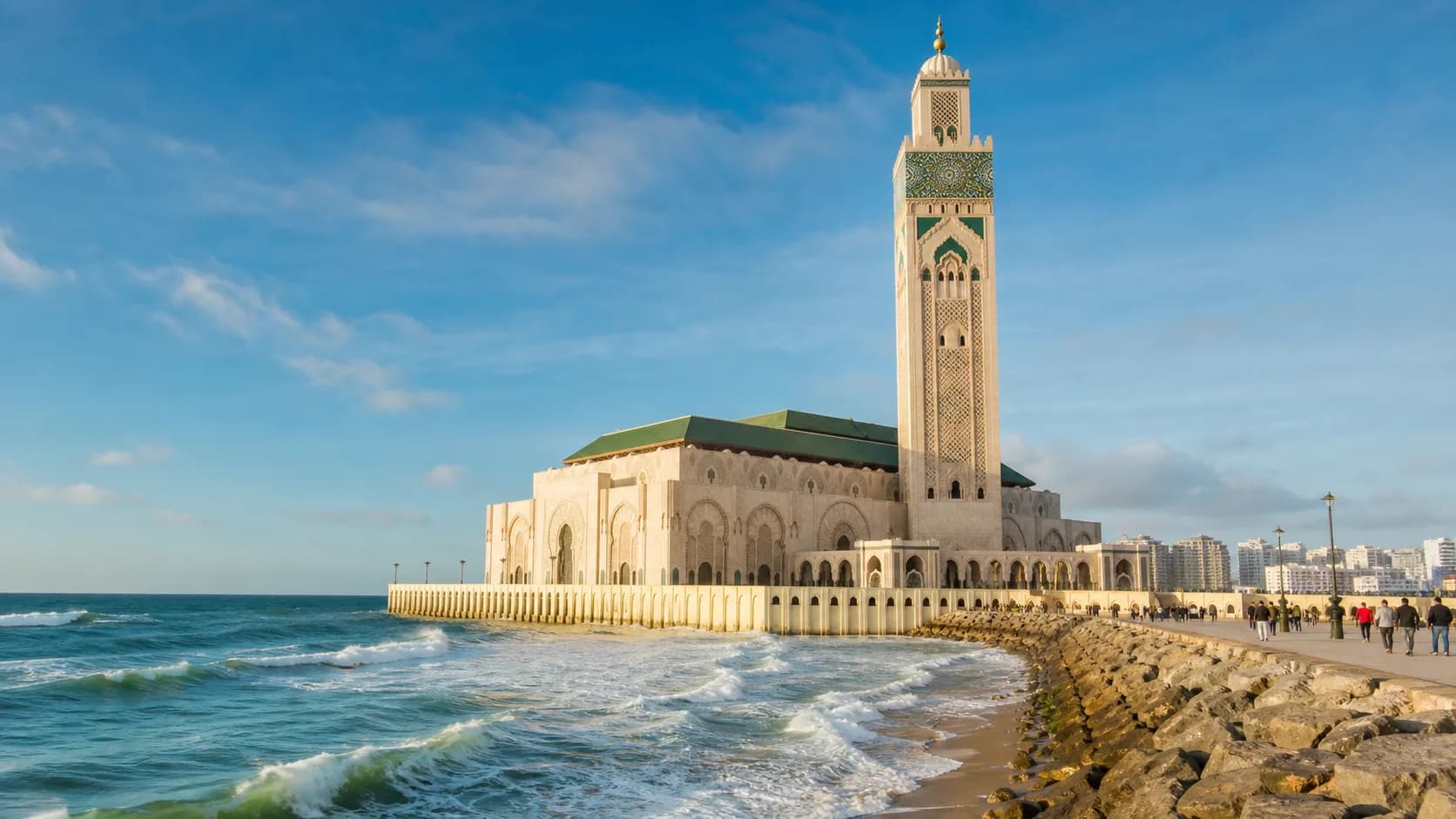
Most mosques in Morocco are closed to non-Muslims, with the Hassan II Mosque in Casablanca the main exception, open on guided visits. Many historic religious buildings, such as the medersas of Fes, Meknes and Marrakech, are open to all.
If attending a service matters to you, plan to be in Rabat, Casablanca, Tangier or Marrakech on Sunday, and check the service times that week.
- religion
- christian
- church
- etiquette
- rabat
- faith
Helpful links
Serenity Morocco Expert Team — Travel Designers, Serenity Morocco Tours. Answered November 2026.
More questions on this
Is it illegal to talk about Christianity in Morocco?
No. Practising your faith and answering questions about it is fine. What the law forbids is trying to convert Muslims, including handing out religious material, which can lead to expulsion.
Are there English-language church services in Morocco?
Some churches in the larger cities hold services in English; many are in French. Times change, so check with the parish or your riad before Sunday.
After you ask for a quote
What you get within 24 hours
Your proposal contains
- A day-by-day route, with the driving time between stops
- Stays matched to your style (riads, kasbahs, desert camps or hotels), named so you can look them up
- Which moments are private to you, and which are shared, such as a camp’s dining tent
- An itemised quote: what is included and what is not
- Who is planning your trip, and how to reach them on WhatsApp
- Free, with no obligation to book
Before you pay a deposit, we confirm
- Opening days for the places on your route, including Friday and holiday closures
- Meal stops along the way, and any dietary needs
- Prayer or Shabbat timing, if it matters to you
- Step-free access, wherever you need it
- The vehicle class for your group and your luggage
Every trip is private and priced to your dates, so there is no fixed price list. Ask, and the proposal shows the full cost before anything is booked.
From the answer to the trip
Start in Casablanca, see the imperial cities
Most trips begin at Casablanca airport. Your driver-guide meets you there, then the route runs through Rabat to Fes, Meknes and Marrakech at your pace.
- 7 days · Central MoroccoEssential Morocco: Imperial Cities Circuit
- 10 days · Central MoroccoImperial Cities Grand Tour
- 9 days · Central MoroccoImperial Cities Journey
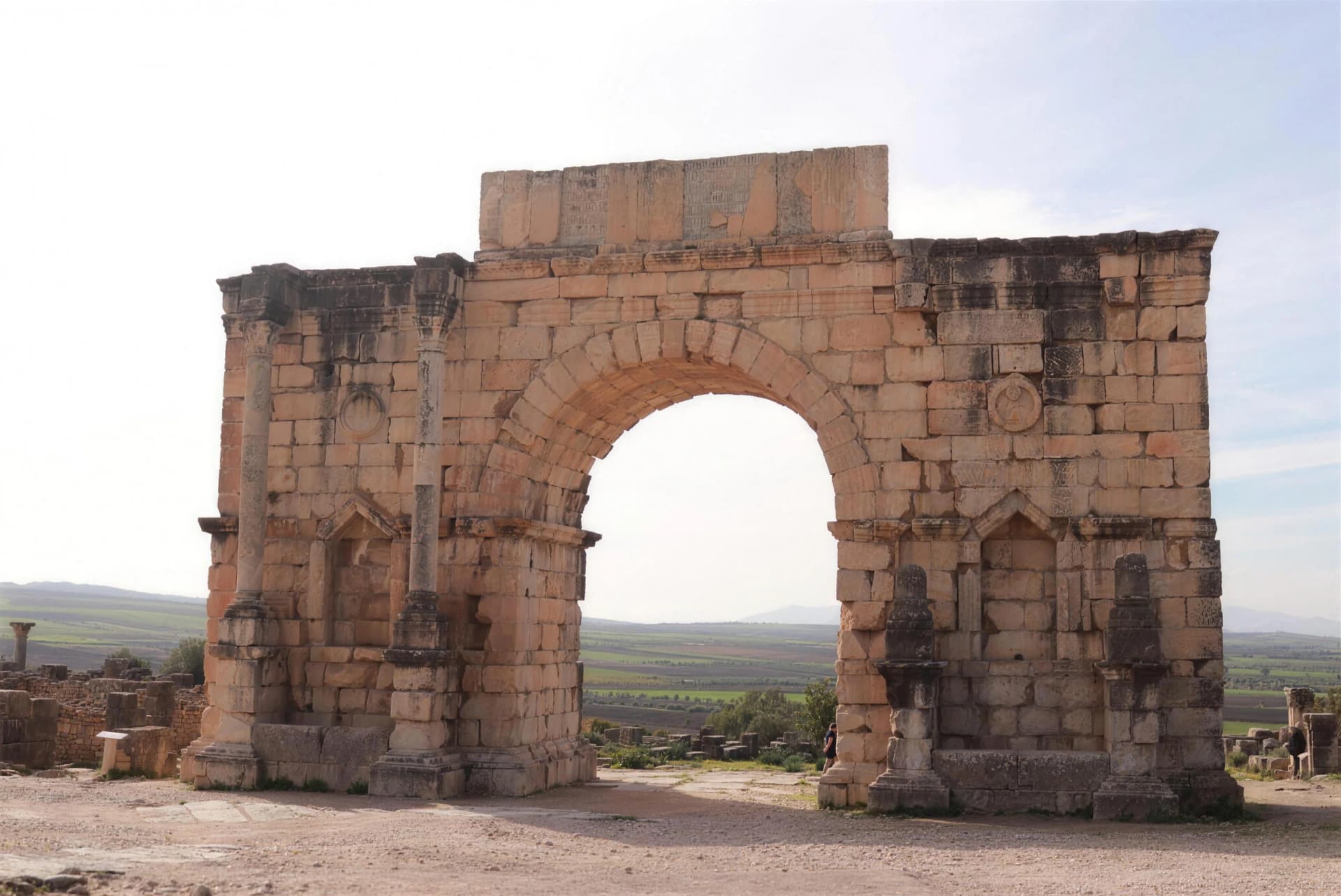
A planner in Casablanca replies with a day-by-day route and a quote within 24 hours.
Ask a follow-up question
Something this answer does not cover? Send us your question and our travel designers will read it.