What are the reasons to avoid visiting Morocco, and who might it not suit?
The short answer
Our team's answerThe honest reasons to think twice about Morocco are long drives, summer heat inland, cold desert nights in winter, hassle and haggling in the medinas, Ramadan changing the daily rhythm, conservative dress and alcohol norms, stomach upsets, limited step-free access and a cash-based economy. Most have a practical fix, but they matter if they are deal-breakers for you.
Serenity Morocco Expert Team
Travel Designer · Staff · November 2026
Question
The full answer
A common question when planning a trip to Morocco, answered honestly by our travel designers.
Most people who visit Morocco want to go back, but it is not for everyone, and it is better to know the friction before you book than to discover it on day one. Here are ten honest reasons a trip might not suit you, with what each one means in practice.
One: the distances. Morocco is larger than it looks on a map. Merzouga, at the edge of the Sahara dunes, is about nine hours from Marrakech by road, and Fes to Merzouga is a long day too. If you dislike long days in a vehicle, keep to one region. Two: summer heat. In July and August, Marrakech, Fes and the desert often pass 40°C, and sightseeing has to happen early and late. Three: winter cold. From December to February the High Atlas gets snow and desert camps can drop close to freezing at night, and older riads are not always well heated.
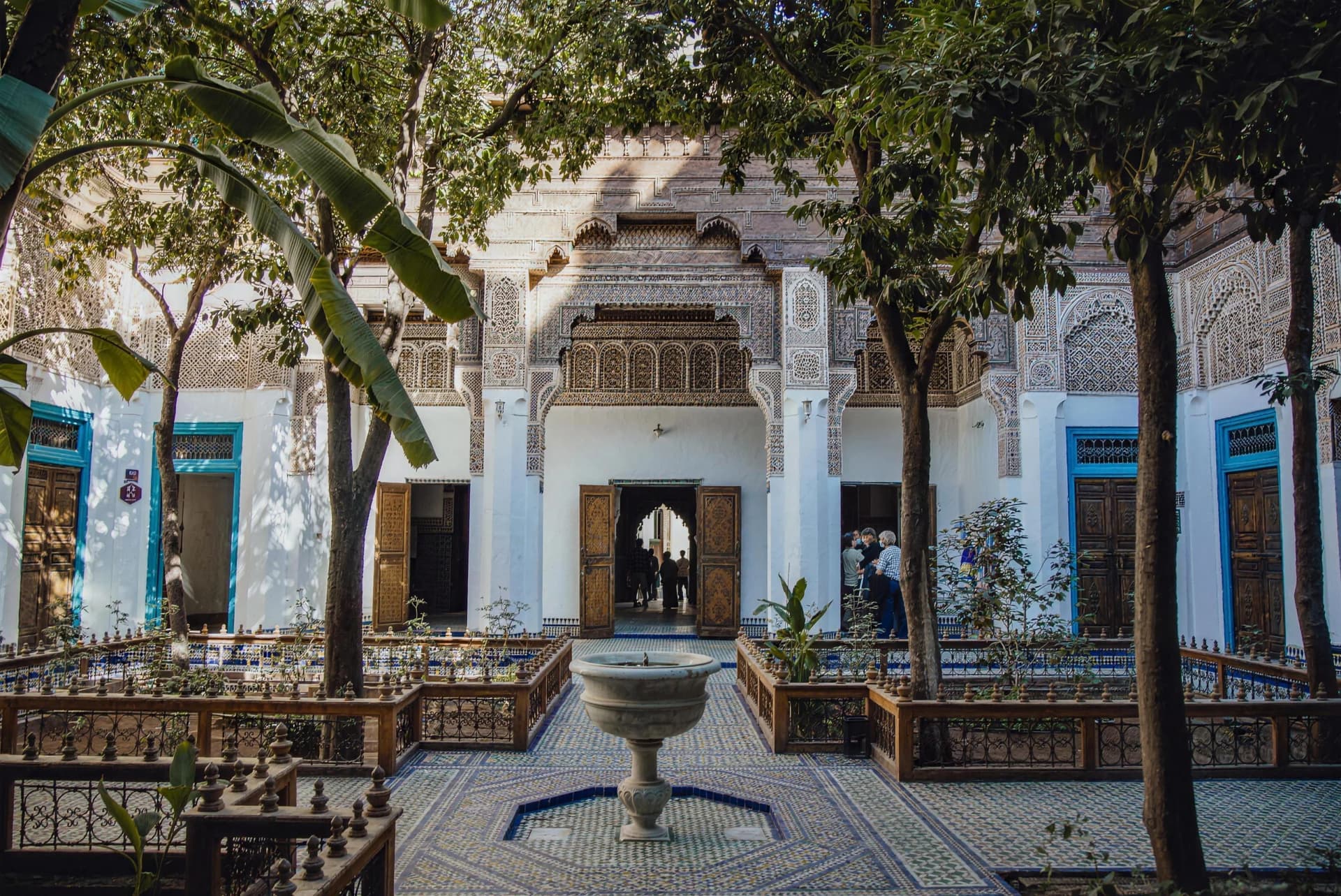
Four: hassle. In the busiest medinas, especially Marrakech, touts and unofficial guides approach visitors, and a firm "no, thank you" is needed many times a day. Five: haggling. Prices in the souks are rarely fixed, and some people find the bargaining tiring rather than fun. Six: Ramadan. During the month of fasting, some restaurants close in daylight, the pace of the day shifts towards the evening, and eating or drinking in public in daylight is best avoided.
Seven: social norms. Morocco is a Muslim country; modest dress is expected away from beaches and pools, alcohol is served mainly in hotels and licensed restaurants, and same-sex relations are illegal under Moroccan law, which LGBTQ travellers should read up on before deciding. Eight: stomach upsets. A mild upset is common in the first days, so bottled water and busy, freshly cooking places are the rule. Nine: access. Old medinas have uneven lanes and steps, many riads have steep stairs and no lift, and step-free access is limited. Ten: cash. Outside the big cities many places take cash only, and the dirham is a closed currency you get on arrival.
If several of these sound like deal-breakers, a resort holiday elsewhere may suit you better, and that is a fair choice. If they sound manageable, most have simple answers: travel in spring or autumn, build the route so no two long drives fall back to back, book a riad with a pool or heating as the season needs, and use a private driver-guide to take the hassle and navigation off your hands. A good planner will also tell you plainly if your dates fall in Ramadan or in the hottest weeks, so you can choose with your eyes open.
- planning
- downsides
- who morocco suits
- heat
- ramadan
- hassle
Helpful links
Serenity Morocco Expert Team — Travel Designers, Serenity Morocco Tours. Answered November 2026.
More questions on this
What are 10 reasons why I should avoid visiting Morocco?
Long drives, summer heat inland, cold winter nights in the desert and mountains, hassle in the medinas, haggling, Ramadan changing daily life, conservative dress and alcohol norms, stomach upsets, limited step-free access, and a cash-based economy outside the cities.
Who is Morocco not a good fit for?
Travellers who want a resort-style trip with no long drives, who cannot handle strong heat, or who find being approached by sellers stressful will find parts of Morocco hard work unless the trip is planned around those limits.
After you ask for a quote
What you get within 24 hours
Your proposal contains
- A day-by-day route, with the driving time between stops
- Stays matched to your style (riads, kasbahs, desert camps or hotels), named so you can look them up
- Which moments are private to you, and which are shared, such as a camp’s dining tent
- An itemised quote: what is included and what is not
- Who is planning your trip, and how to reach them on WhatsApp
- Free, with no obligation to book
Before you pay a deposit, we confirm
- Opening days for the places on your route, including Friday and holiday closures
- Meal stops along the way, and any dietary needs
- Prayer or Shabbat timing, if it matters to you
- Step-free access, wherever you need it
- The vehicle class for your group and your luggage
Every trip is private and priced to your dates, so there is no fixed price list. Ask, and the proposal shows the full cost before anything is booked.
From the answer to the trip
The classic first trip to Morocco
Most first trips run seven days: Marrakech, over the High Atlas, the kasbah valleys and a night in the Sahara, planned privately around your dates.
- 7 days · Central MoroccoEssential Morocco: Imperial Cities Circuit
- 6 days · Southeast MoroccoSahara Desert Expedition
- 14 days · All MoroccoGrand Morocco Tour
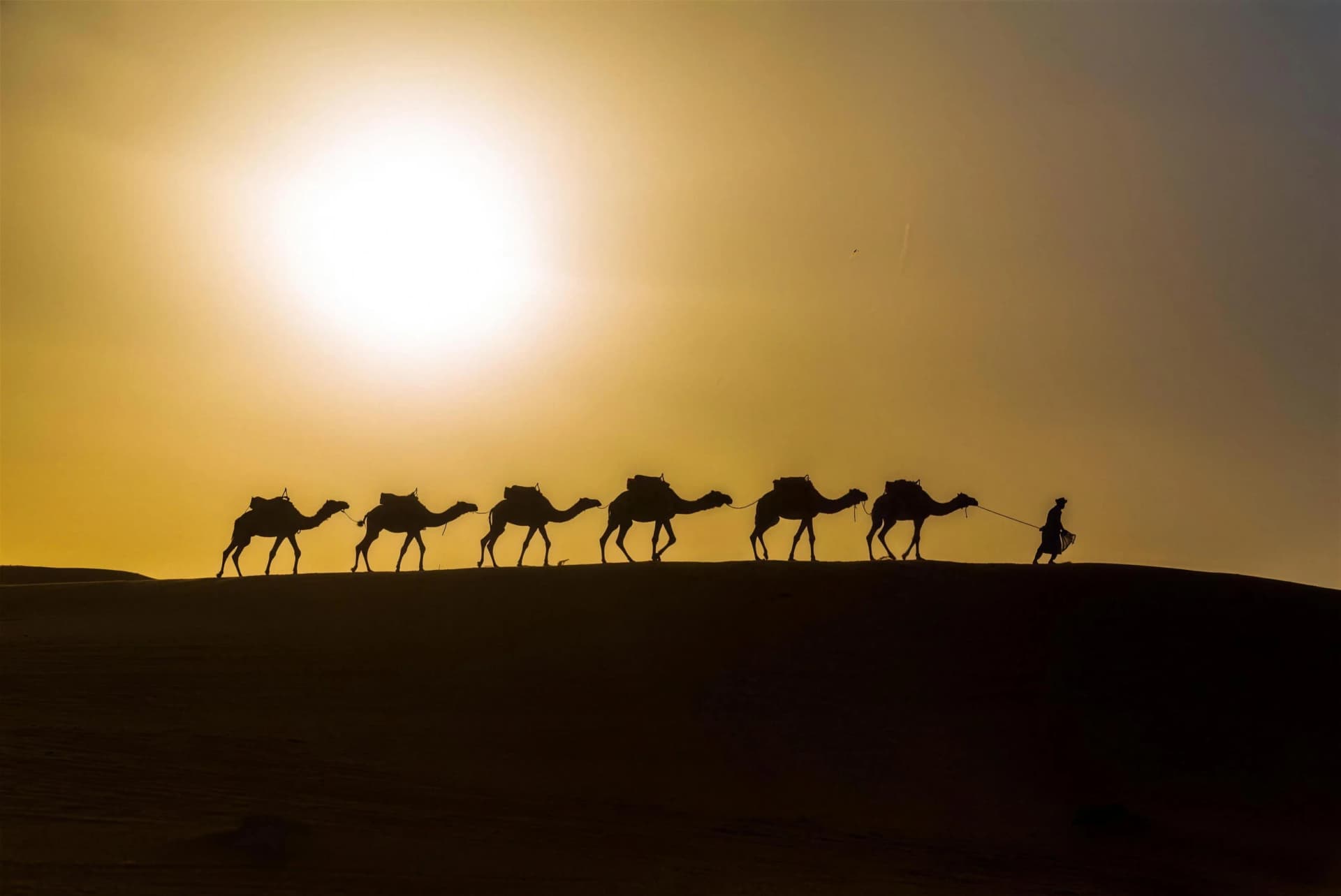
A planner in Casablanca replies with a day-by-day route and a quote within 24 hours.
Ask a follow-up question
Something this answer does not cover? Send us your question and our travel designers will read it.