What is a person from Morocco called?
The short answer
Our team's answerA person from Morocco is called a Moroccan. In Arabic the word is Maghribi, plural Maghariba, from al-Maghrib, “the West”, Morocco’s Arabic name. Moroccans may be Arab, Amazigh (Berber) or both, and many Amazigh people prefer the name Amazigh, plural Imazighen, to “Berber”.
Serenity Morocco Expert Team
Travel Designer · Staff · November 2026
Question
The full answer
A common question when planning a trip to Morocco, answered honestly by our travel designers.
In English, a person from Morocco is a Moroccan, and the same word is the adjective: Moroccan food, Moroccan Arabic. The term covers citizens and nationals of the country, whatever their background. You will also see the country’s own words: in Arabic a Moroccan is a Maghribi (al-Maghariba in the plural), and in French, widely used in Morocco, Marocain or Marocaine.
The Arabic name for the country is al-Maghrib, meaning “the land of the sunset” or “the West”, because Morocco is the western edge of the Arab world; the official name, al-Mamlaka al-Maghribiya, means the Kingdom of Morocco, literally “the western kingdom”. The English name has a different source. “Morocco” comes, through the Spanish “Marruecos”, from Marrakech, which was the capital of the Almoravid, Almohad and Saadian dynasties.
If you mean the original, indigenous people of North Africa, the word is Amazigh, plural Imazighen. They are often called Berbers, a name that came into Arabic as al-Barbar from the Latin and Greek word for “barbarians”, and many Amazigh people regard it as pejorative. You will often read that Amazigh means “free people”; that reading is old but disputed among scholars. Morocco’s three main Amazigh languages are Tashelhit in the south, Central Atlas Tamazight in the Middle and High Atlas, and Tarifit in the Rif. Tamazight became an official language alongside Arabic in 2011.
Most Moroccans have mixed Arab, Amazigh and Andalusian ancestry, and the state statistics office does not record ethnicity, partly because the line is so hard to draw. Language gives a clearer picture: in the 2024 census, 24.8 percent of people spoke an Amazigh language and 18.9 percent named one as their mother tongue, while 92.7 percent spoke Arabic. The same census counted a legal population of 36,828,330, including 148,152 foreign residents. Large Moroccan communities also live abroad, with more than a million people of Moroccan origin in France alone.
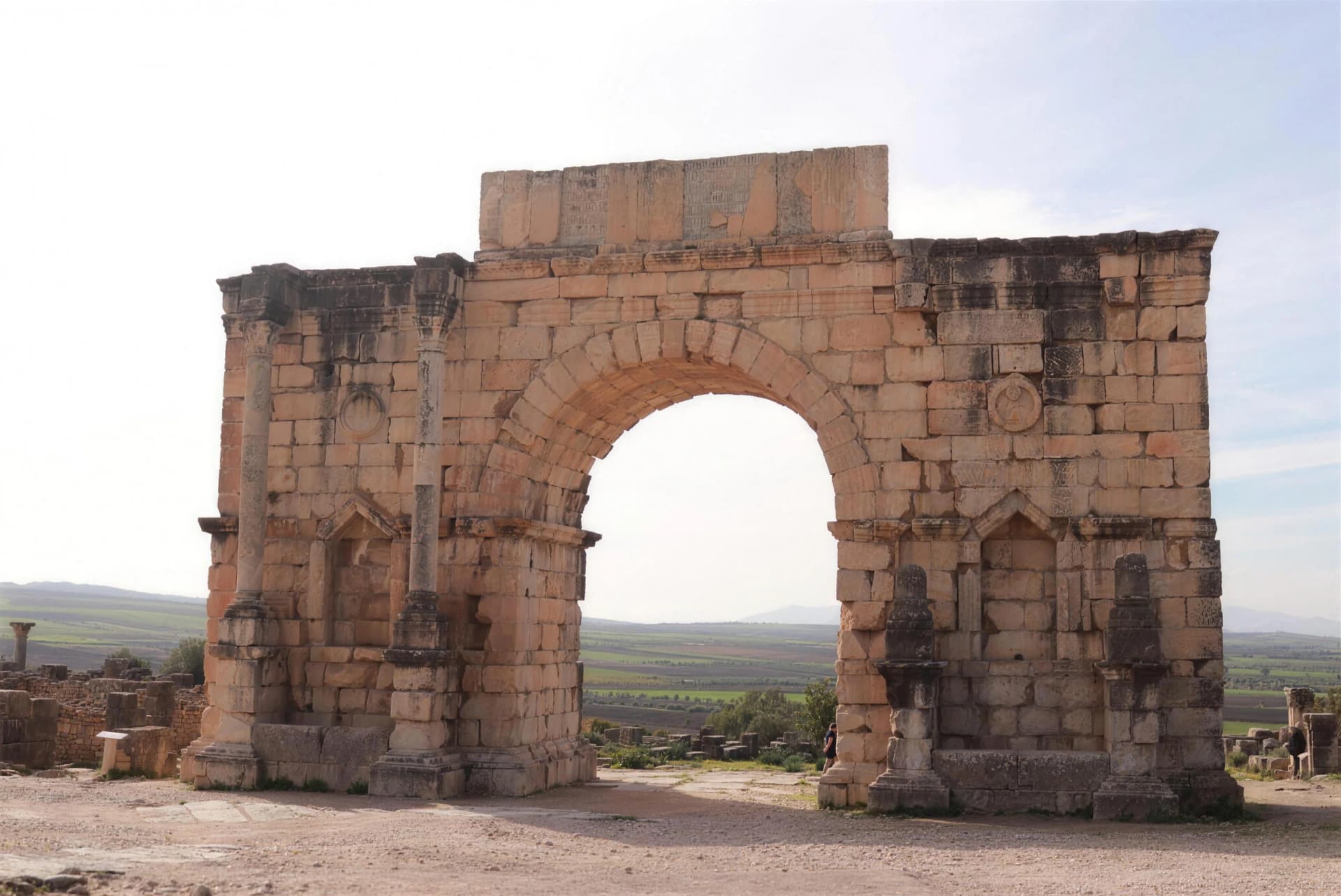
Moroccan Jews are Moroccans too, and their history in the country goes back many centuries. The constitution names Sunni Muslims and Jews as the only religious groups native to the country and recognises the Jewish community as an integral part of Moroccan society. The community is far smaller than it once was: Jewish community leaders quoted in the US State Department’s 2023 religious freedom report estimate about 1,500 Jews in Morocco, roughly 1,000 of them in Casablanca, though others put the figure higher. Synagogues, Jewish quarters (mellahs) and cemeteries in cities such as Fes, Marrakech and Essaouira are part of the same national story.
A note on words to avoid. “Moor” is a historical European term for the Muslim peoples of North Africa and Iberia and is not how Moroccans describe themselves today. Calling every Moroccan an Arab can also land badly with someone who identifies as Amazigh. “Moroccan” is always correct, and if the subject of identity comes up, it is fine to ask how someone describes themselves.
- moroccans
- demonym
- amazigh
- berber
- identity
- language
Serenity Morocco Expert Team — Travel Designers, Serenity Morocco Tours. Answered November 2026.
More questions on this
What are people from Morocco called in Arabic?
Maghribi in the singular and al-Maghariba in the plural, from al-Maghrib, the Arabic name of the country.
Are Moroccans Arab or Berber?
Many are both. Most Moroccans have mixed Arab, Amazigh and Andalusian ancestry, and about a quarter speak an Amazigh language, according to the 2024 census.
After you ask for a quote
What you get within 24 hours
Your proposal contains
- A day-by-day route, with the driving time between stops
- Stays matched to your style (riads, kasbahs, desert camps or hotels), named so you can look them up
- Which moments are private to you, and which are shared, such as a camp’s dining tent
- An itemised quote: what is included and what is not
- Who is planning your trip, and how to reach them on WhatsApp
- Free, with no obligation to book
Before you pay a deposit, we confirm
- Opening days for the places on your route, including Friday and holiday closures
- Meal stops along the way, and any dietary needs
- Prayer or Shabbat timing, if it matters to you
- Step-free access, wherever you need it
- The vehicle class for your group and your luggage
Every trip is private and priced to your dates, so there is no fixed price list. Ask, and the proposal shows the full cost before anything is booked.
From the answer to the trip
The imperial cities, with a local guide in each
Fes, Meknes, Rabat and Marrakech each have their own medina, palaces and crafts. A local guide in every city is the quickest way in.
- 9 days · Central MoroccoImperial Cities Journey
- 6 days · Fes & MarrakechMedina Heritage Walking Tour
- 5 days · FesFes Culinary & Craft Immersion
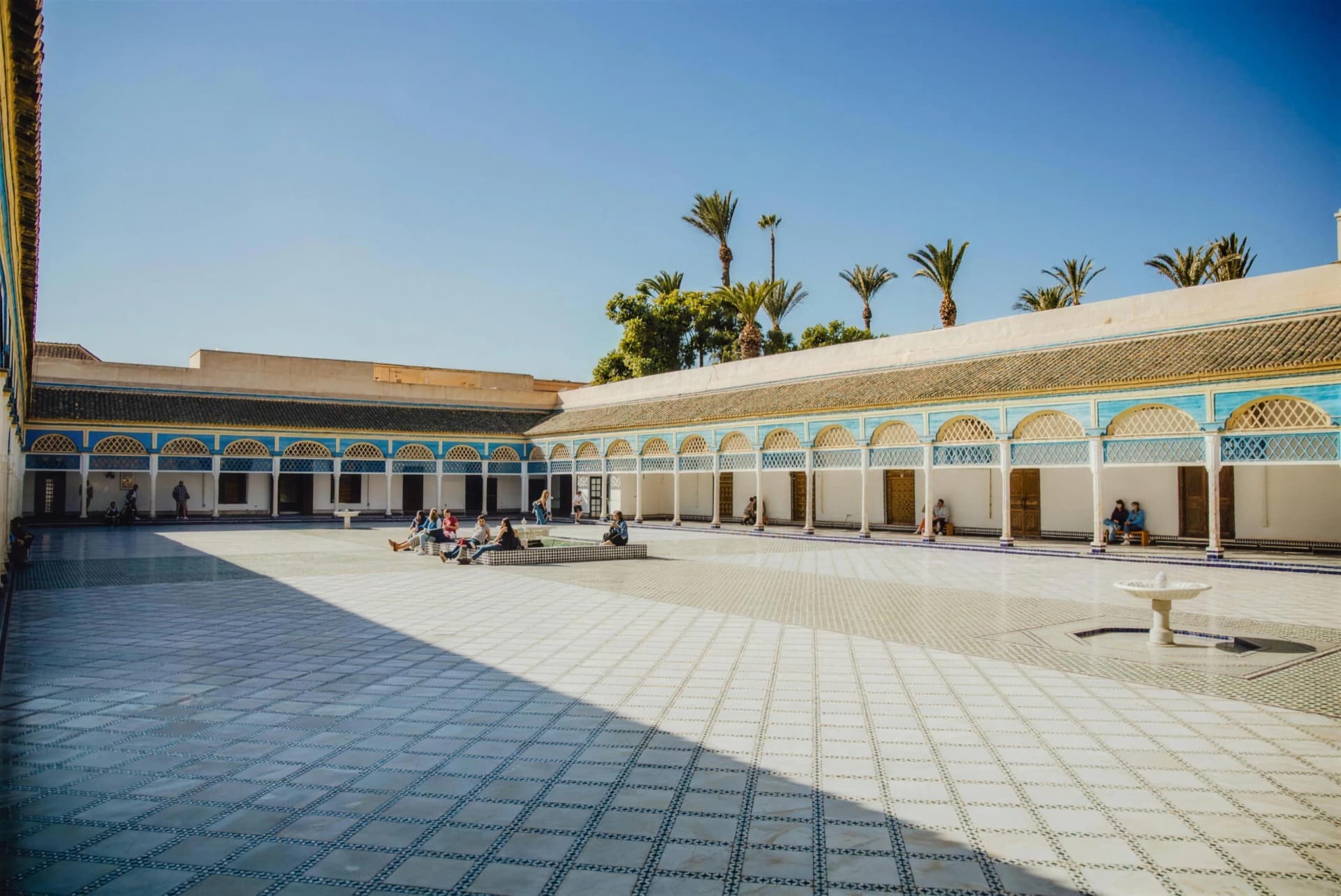
A planner in Casablanca replies with a day-by-day route and a quote within 24 hours.
Ask a follow-up question
Something this answer does not cover? Send us your question and our travel designers will read it.