Do people speak Spanish in Morocco?

The short answer
Our team's answerYes, Spanish is widely spoken and understood in northern Morocco: in Tetouan, Tangier, Chefchaouen, Larache and the Rif, a legacy of the Spanish protectorate zone in the north (1912–1956) and of Spain being so close. In Marrakech, Fes and the south, French and some English are far more useful than Spanish.
Serenity Morocco Expert Team
Travel Designer · Staff · November 2026
Question
The full answer
A common question when planning a trip to Morocco, answered honestly by our travel designers.
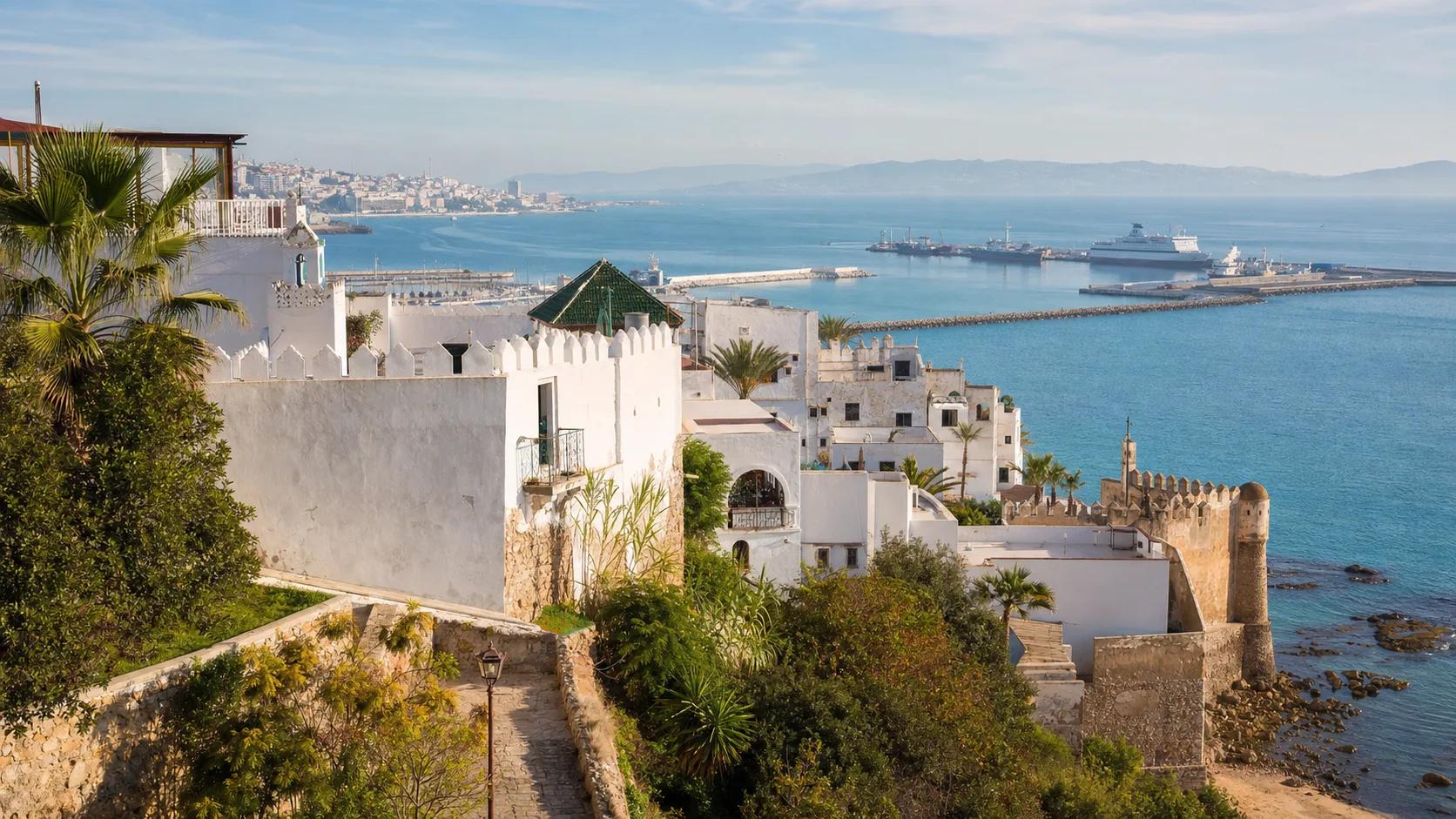
Yes, but it depends on where you are. In the north of Morocco, Spanish is widely understood and often spoken. In Tetouan, Tangier, Chefchaouen, Larache and much of the Rif, shopkeepers and taxi drivers will often switch to Spanish when they hear it. South of that band, in Rabat, Fes, Marrakech and the Sahara, Spanish is much less common, and French is the second language you will hear.
The reason is history. From 1912 until independence in 1956, the north of Morocco was a Spanish protectorate zone, while most of the rest of the country was under France. Tetouan was the capital of the Spanish zone, and the Spanish built a new town beside its medina, the Ensanche, which you can still walk through today. Tangier was not part of that zone: from the 1920s it was an international zone, but it had a large Spanish-speaking community. Schools, administration and trade in the north ran partly in Spanish for more than forty years, and Spain is a short ferry ride away, so the language never went away. Many words from Spanish have also entered the northern Moroccan Arabic you hear in Tetouan and Tangier.
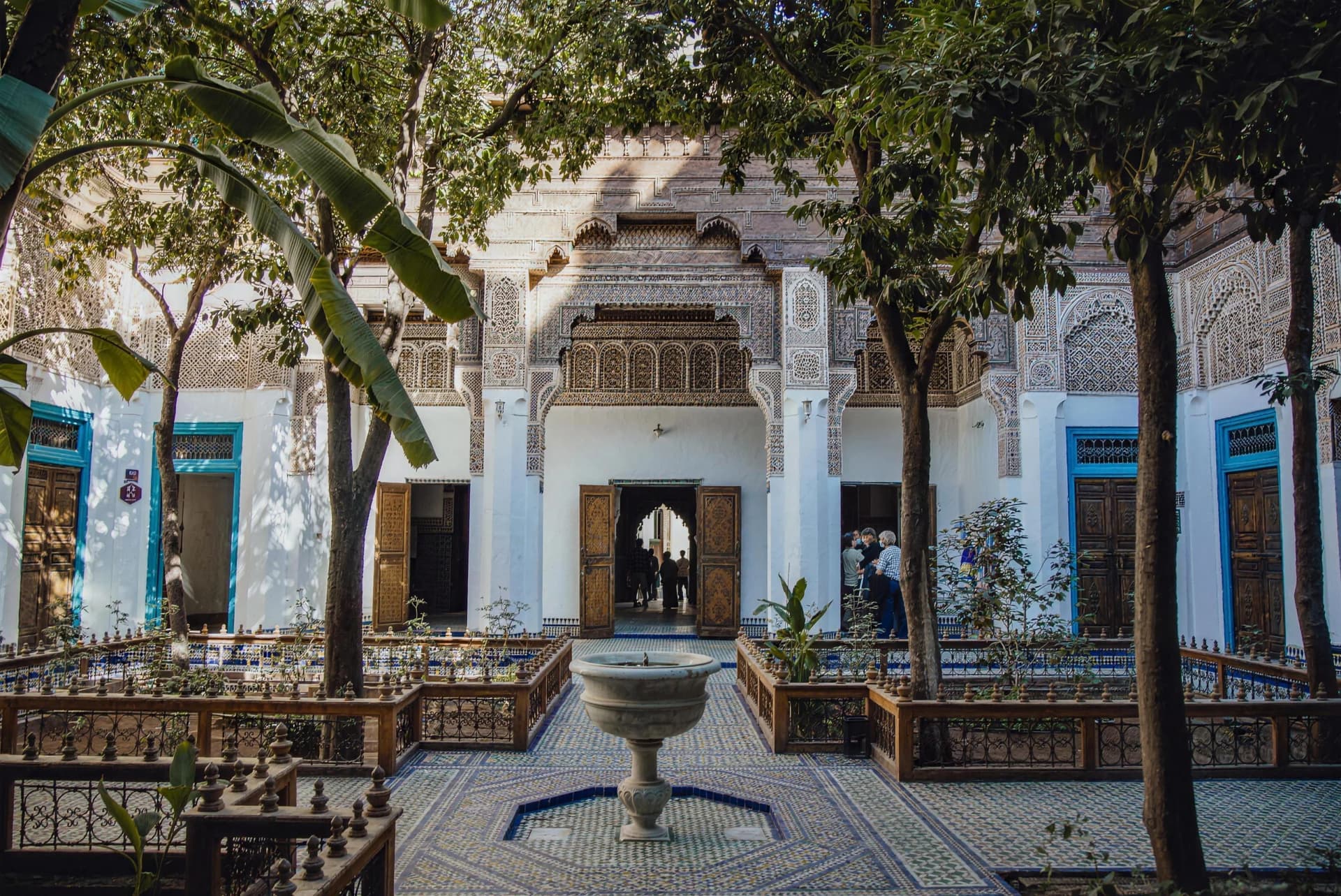
There is also a small Spanish thread in the far south. Sidi Ifni on the Atlantic coast was a Spanish enclave until 1969, and some older people in the Saharan south learned Spanish too. Do not count on it there, but do not be surprised to hear it either.
For the rest of the country, the language picture is simple. The official languages are Arabic and Tamazight, the Amazigh (Berber) language. Moroccans speak Darija, Moroccan Arabic, at home and in the street. French is widely used in business, menus, road signs and by anyone who has studied, and English is growing fast among younger people and in the tourism trade. In Marrakech and Fes, guides and riad staff usually speak English and French well; some speak Spanish, Italian or German too.
If you speak Spanish, the north is an easy place to start a trip. You can cross from Tarifa or Algeciras to Tangier, travel through Tetouan and Chefchaouen, and get by comfortably in Spanish before heading south. If you book a private guide, ask for one who speaks your language; Spanish-speaking guides are easiest to find in the north.
A friendly greeting in Darija still goes a long way everywhere: "salam" for hello and "shukran" for thank you are understood from Tangier to the Sahara.
- spanish
- language
- tetouan
- tangier
- north
- protectorate
Helpful links
Serenity Morocco Expert Team — Travel Designers, Serenity Morocco Tours. Answered November 2026.
More questions on this
Is Spanish or French more useful in Morocco?
French is more useful across most of the country, including Marrakech, Fes and Rabat. Spanish is more useful in the north, especially Tetouan and Tangier.
Why is Spanish spoken in northern Morocco?
The north was a Spanish protectorate zone from 1912 to 1956, with Tetouan as its capital, and Spain is a short ferry ride away. Schools and administration there ran partly in Spanish for more than forty years.
After you ask for a quote
What you get within 24 hours
Your proposal contains
- A day-by-day route, with the driving time between stops
- Stays matched to your style (riads, kasbahs, desert camps or hotels), named so you can look them up
- Which moments are private to you, and which are shared, such as a camp’s dining tent
- An itemised quote: what is included and what is not
- Who is planning your trip, and how to reach them on WhatsApp
- Free, with no obligation to book
Before you pay a deposit, we confirm
- Opening days for the places on your route, including Friday and holiday closures
- Meal stops along the way, and any dietary needs
- Prayer or Shabbat timing, if it matters to you
- Step-free access, wherever you need it
- The vehicle class for your group and your luggage
Every trip is private and priced to your dates, so there is no fixed price list. Ask, and the proposal shows the full cost before anything is booked.
From the answer to the trip
Tangier, Chefchaouen and the blue north
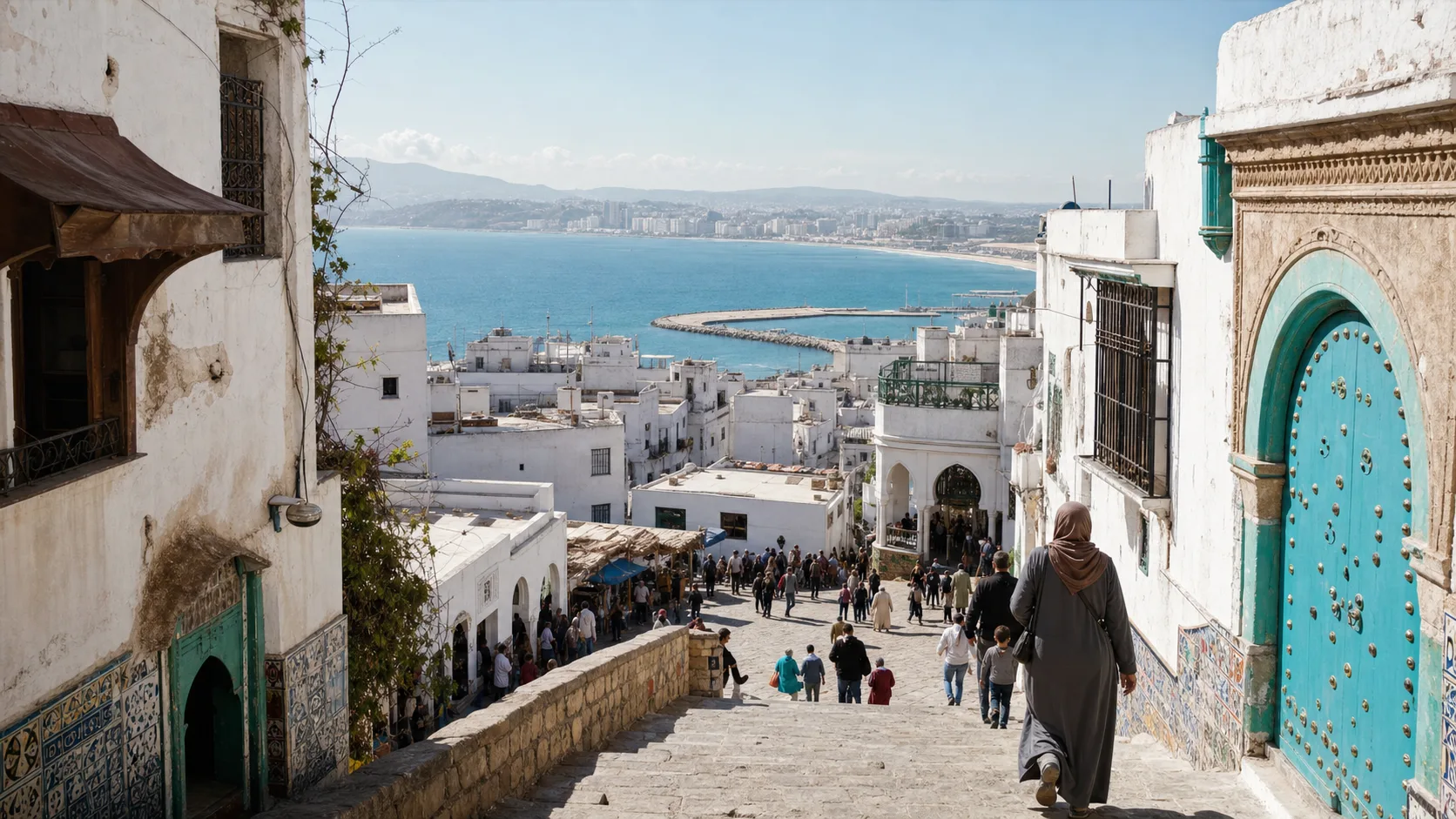
Tangier’s kasbah, Asilah on the Atlantic and the blue lanes of Chefchaouen in the Rif: the north is easiest with a private driver-guide between them.
- 7 days · Northern MoroccoNorthern Morocco Explorer
- 6 days · Northern MoroccoNorthern Morocco & Chefchaouen
A planner in Casablanca replies with a day-by-day route and a quote within 24 hours.
Ask a follow-up question
Something this answer does not cover? Send us your question and our travel designers will read it.