Morocco is not yet highly accessible: wheelchair users face real difficulty, especially in the medinas, while modern city areas and newer hotels are easier. Travellers with reduced mobility can manage with planning, and visually or hearing impaired travellers generally with some assistance. This guide covers hotels, restaurants, transport and the medinas city by city.
Morocco Accessibility Guide: Traveling with Disabilities
Overview of Accessibility in Morocco
Current State
Reality Check:
- Morocco is NOT highly accessible compared to Western countries
- Significant challenges for wheelchair users
- Limited infrastructure for disabilities
- Improving but slowly
- Medinas especially difficult
- Modern areas better
Positive Aspects:
- Moroccans very helpful and accommodating
- Willing to assist manually where infrastructure lacks
- Modern hotels increasingly accessible
- Awareness growing
- Some improvements in major cities
Who Can Travel Morocco:
- People with mobility issues: Challenging but possible with planning
- Wheelchair users: Very difficult, especially in medinas
- Visually impaired: Possible with assistance
- Hearing impaired: Generally manageable
- Other disabilities: Varies by specific needs
Wheelchair Accessibility
General Accessibility
Major Challenges:
- Ancient medinas: Narrow alleys, steps, cobblestones
- Uneven pavements
- Few curb cuts
- Multi-level buildings without elevators
- Riads: Often 2-3 floors with narrow stairs
- Transport: Buses/trains not wheelchair accessible
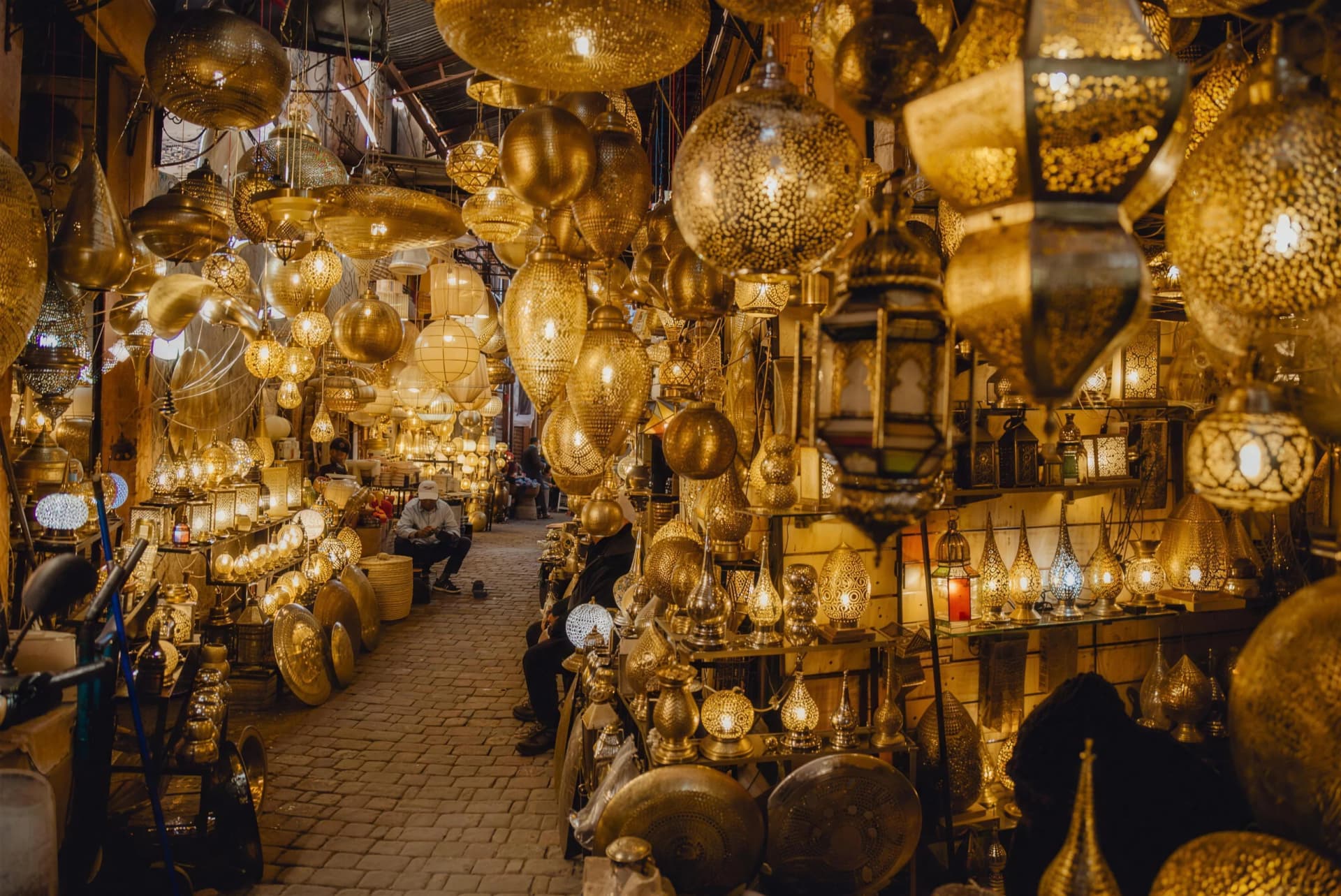
- Souks: Crowded, narrow, uneven
Better Access:
- Modern hotels (3+ stars)
- New town areas (Guéliz in Marrakech, Ville Nouvelle areas)
- Some museums
- Modern malls
- Newer restaurants
- Wide boulevards in modern areas
Realistic Expectations:
- Will need assistance frequently
- Some attractions inaccessible
- Medinas very difficult
- Modern Morocco more accessible
- Travel companion essential
- Flexibility required
Wheelchair-Accessible Locations
MARRAKECH:
Accessible:
- Guéliz neighborhood (modern area)
- Majorelle Garden (mostly accessible, some gravel paths)
- Hassan II Mosque (Casablanca - worth day trip, accessible)
- Modern hotels with accessible rooms
- Some restaurants in Ville Nouvelle
- Morocco Mall (if visiting Casablanca - fully accessible)
Challenging:
- Djemaa el-Fna (crowded, uneven)
- Souks (impossible for wheelchairs)
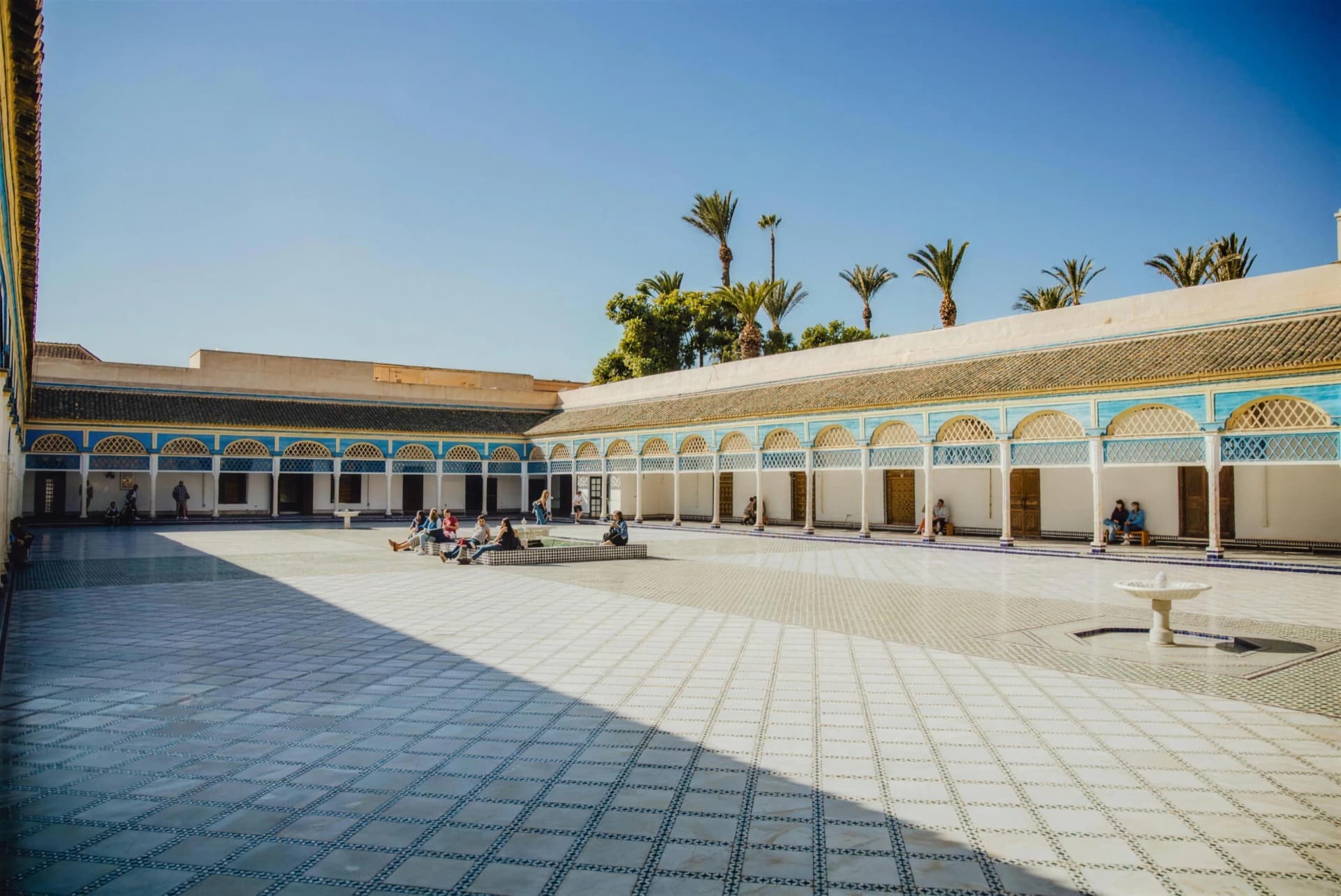
- Bahia Palace (some areas accessible, many steps)
- Ben Youssef Medersa (stairs)
- Most riads (stairs, no elevators)
CASABLANCA:
Most accessible city
- Modern infrastructure
- Hassan II Mosque (accessible tours)
- Morocco Mall (fully accessible)
- Corniche (seaside promenade - mostly accessible)
- Modern hotels
- Restaurants in modern areas
FES:
Most challenging major city
- Medina largely inaccessible
- Old city: Narrow alleys, steps
- New town (Ville Nouvelle) better
- Very limited accessibility
AGADIR:
Good accessibility
- Modern city (rebuilt after 1960 earthquake)
- Beach resorts accessible
- Wide streets
- Newer infrastructure
- Beach access limited
ESSAOUIRA:
Mixed
- Ramparts accessible in parts
- Medina: Narrow but flatter than other cities
- Port area: Mostly accessible
- Beach: Sand challenging
Wheelchair-Accessible Attractions
Easier Access:
- Hassan II Mosque (Casablanca) - accessible
- Majorelle Garden (Marrakech) - mostly accessible
- Modern museums
- Some palaces (ground floor areas)
- Menara Gardens (Marrakech) - gardens accessible
- Anima Garden (Marrakech) - designed to be accessible
- Modern art galleries
- Parks and gardens (some)
Difficult/Impossible:
- Most medinas
- Souks
- Multi-level palaces
- Ben Youssef Medersa
- Saadian Tombs
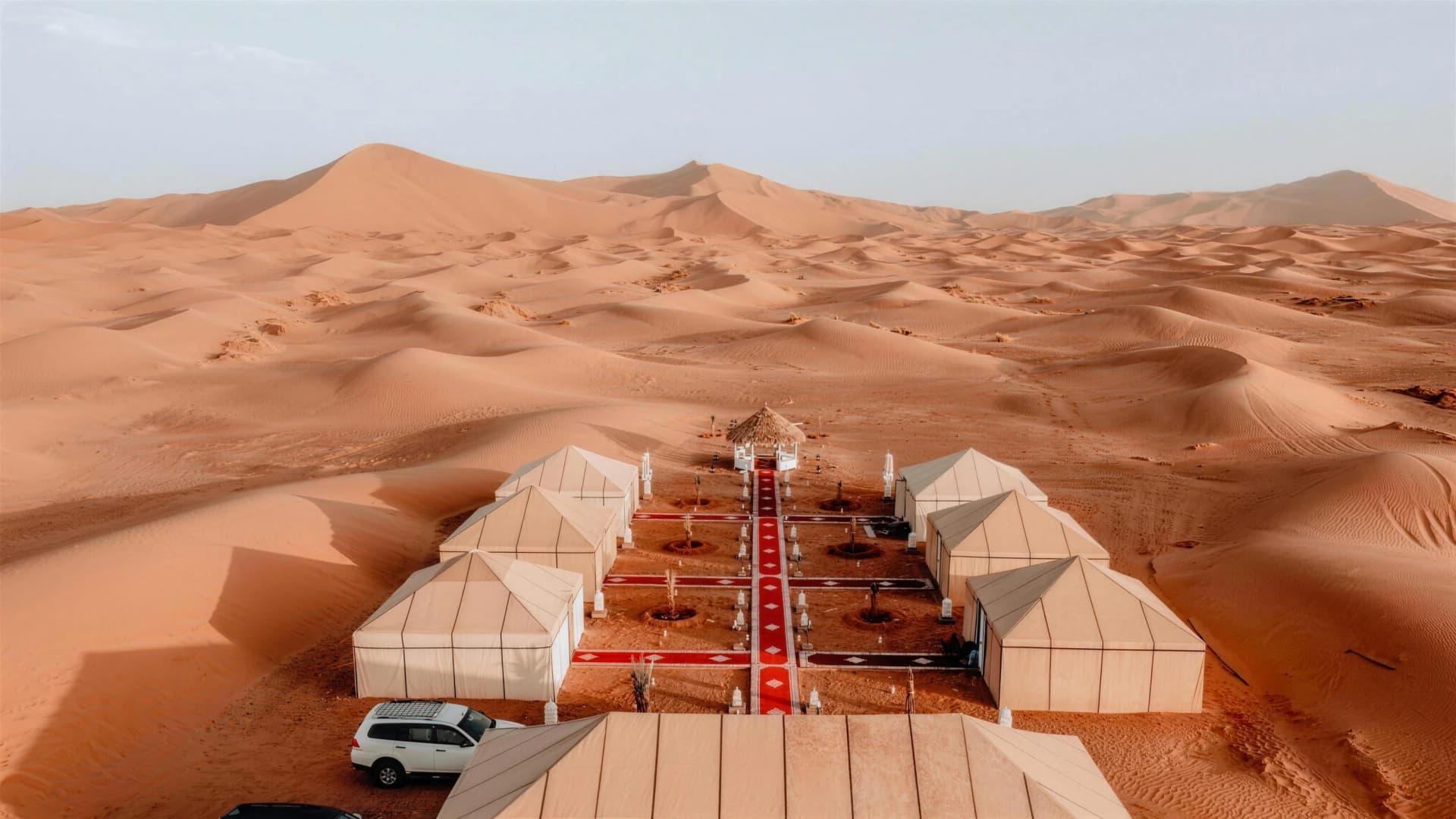
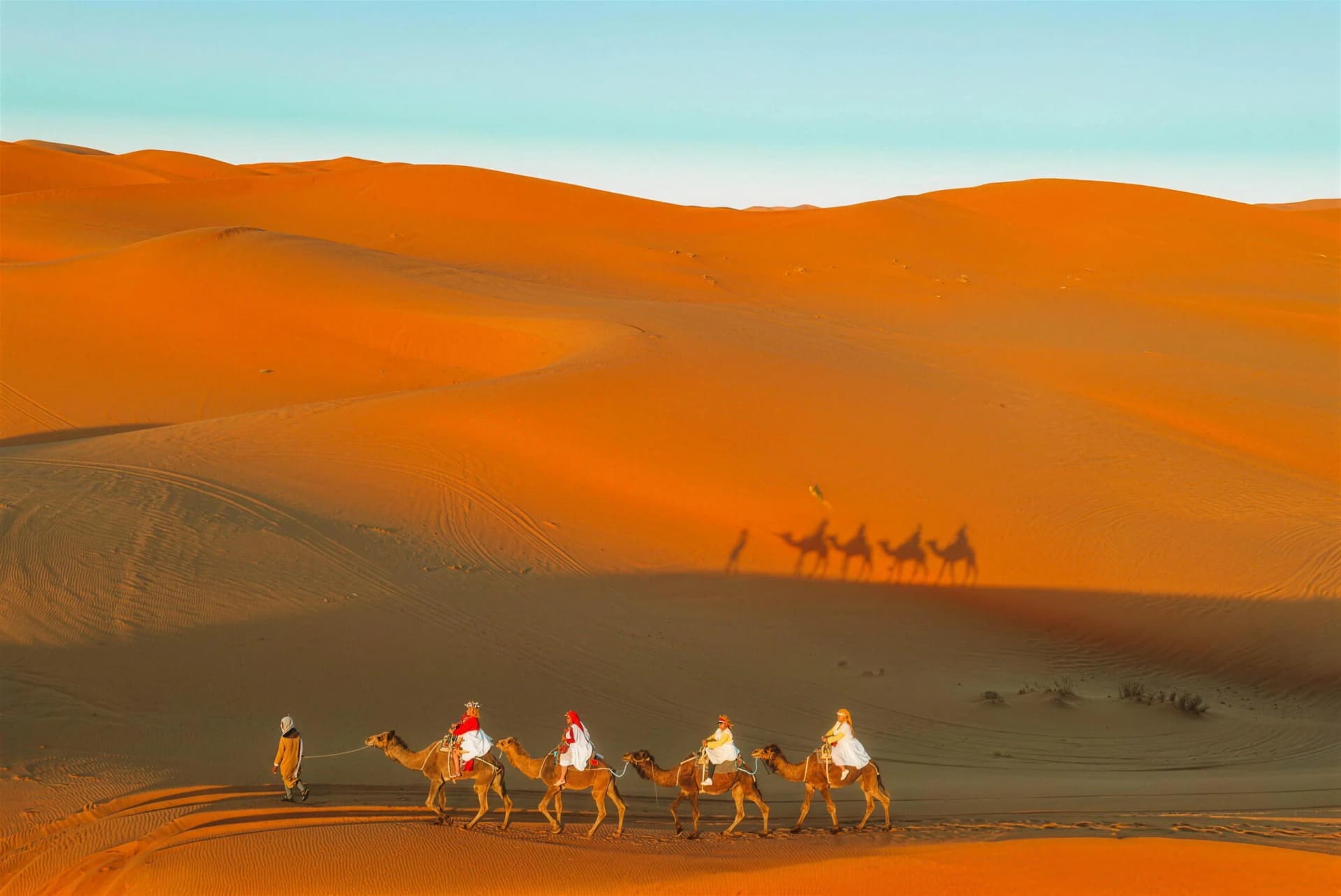
- Desert trips (standard tours)
- Atlas Mountains (trekking)
- Most traditional riads
Accessible Hotels
What to Look For
Key Features:
- Ground floor rooms OR elevator
- Wheelchair-accessible bathroom (roll-in shower)
- Grab bars in bathroom
- Wide doorways (minimum 80cm/32 inches)
- Ramps instead of steps
- Accessible dining areas
- Pool access (if applicable)
Verify Before Booking:
- Call hotel directly
- Ask specific questions
- Don't rely on "accessible" tag alone
- Request photos of accessible room/bathroom
- Confirm elevator size (if not ground floor)
- Ask about entrance access
Recommended Accessible Hotels
MARRAKECH:
Luxury:
- La Mamounia - Accessible rooms, historic hotel
- Four Seasons Resort - Modern, accessible
- Royal Mansour - Top luxury, accessible villas
- Selman Marrakech - Accessible rooms available
Mid-Range:
- Palmeraie Village - Bungalows, accessible options
- Hotel Savoy Le Grand - Guéliz, accessible rooms
- Adam Park - Modern, some accessible rooms
CASABLANCA:
- Four Seasons Casablanca - Fully accessible
- Hyatt Regency Casablanca - Accessible rooms
- Kenzi Tower Hotel - Modern, accessible
- Sofitel Casablanca Tour Blanche - Accessible
AGADIR:
- Sofitel Agadir Royal Bay - Accessible resort
- Atlantic Palace - Beach resort, accessible
- Iberostar Founty Beach - Accessible rooms
ESSAOUIRA:
- Sofitel Essaouira - Accessible rooms
- Atlas Essaouira - Some accessible rooms
Note: Always verify current accessibility features. "Accessible" can mean different things.
Accessible Restaurants
Finding Accessible Restaurants
Easier Access:
- Modern restaurants (Ville Nouvelle areas)
- Hotel restaurants (especially accessible hotels)
- Ground-floor establishments
- Outdoor terrace restaurants (if entrance accessible)
- Cafés with street-level seating
- Restaurants in malls
Challenges:
- Many restaurants have steps
- Bathrooms often upstairs/downstairs
- Traditional restaurants in medinas
- Riads (usually stairs to enter)
Recommendations:
- Call ahead
- Ask about entrance steps
- Inquire about bathroom access
- Choose hotel restaurants (more likely accessible)
- Outdoor seating can bypass entrance steps sometimes
Accessible Transport
Taxis
Petit Taxis (City):
- Not wheelchair accessible
- Must transfer from wheelchair to car
- Fold wheelchair into trunk
- Travel companion to assist
- Drivers usually helpful
Grand Taxis:
- Larger vehicles (Mercedes sedans usually)
- More room
- Still need to transfer
- Can fit folded wheelchair
Private Drivers:
- Best option
- Arrange van with space for wheelchair
- Driver can assist
- Book through hotel or tour company
- More expensive but worth it
- Can rent wheelchair-accessible vans (limited, book in advance)
Where to Find Accessible Transport:
- Hotel concierge (best resource)
- Tour companies specializing in accessible travel
- Rent adapted vehicle (limited availability, major cities only)
Trains
ONCF (National Railway):
- NOT wheelchair accessible (most stations and trains)
- Steps to board
- No wheelchair spaces
- Narrow aisles
- Bathrooms not accessible
- First class more space (but still steps)
Exceptions:
- Newest trains on Casablanca-Tangier high-speed line have some accessibility
- Verify before booking
Alternatives:
- Private car/van
- Accessible tour companies
Buses
Long-Distance Buses (CTM, Supratours):
- NOT wheelchair accessible
- High steps to board
- Luggage holds below
- No wheelchair storage
City Buses:
- Generally not accessible
- Crowded
- Not recommended
Airports
Mohammed V Airport (Casablanca):
- Best accessibility in Morocco
- Wheelchairs available
- Accessible bathrooms
- Elevators
- Assistance services (pre-book)
Marrakech-Menara Airport:
- Moderately accessible
- Wheelchairs available
- Assistance available (pre-book)
- Some accessibility features
Other Airports:
- Variable accessibility
- Smaller airports less accessible
- Pre-book assistance always
Airline Assistance:
- Notify airline 48 hours in advance
- Request wheelchair assistance
- Specify needs (boarding, deplaning, connecting)
- Most airlines accommodating
Domestic Flights
Royal Air Maroc:
- Assistance available
- Pre-notification required
- Can accommodate wheelchairs
- Staff helpful
Budget Airlines:
- Limited assistance
- Pre-book essential
Challenges in Medinas
Why Medinas are Difficult
Physical Barriers:
- Narrow alleys (often 1-2 meters wide)
- Steps and stairs (frequent)
- Cobblestones (rough, uneven)
- Hills and slopes (steep in places)
- Crowded (difficult to navigate)
- Donkeys/carts (traffic in alleys)
- No curb cuts
- Doorway thresholds (high)
Realistic Assessment:
- Full wheelchair access: Impossible in most medinas
- Partial access: Very limited
- Transfer to manual wheelchair + assistant: Still very difficult
- Motorized wheelchair: Impossible (too narrow, uneven)
Alternatives to Medina Access
If Wheelchair User:
- View from rooftop cafés (accessible ones)
- Medina gates and main squares (edges accessible sometimes)
- Modern souks/markets (outside medinas)
- Guided virtual tours
- Photo books and videos
- Focus on accessible attractions outside medinas
If Ambulatory with Difficulty:
- Hire strong assistant/guide
- Take frequent breaks
- Visit less crowded times (early morning)
- Shorter medina visits
- Focus on main square (Djemaa el-Fna) edge
- Use walking aids
Guides:
- Hire guide who understands mobility limitations
- They can plan most accessible route
- Help navigate crowds
- Provide physical assistance if needed
Resources for Disabled Travelers
Accessible Tour Companies
International:
- Accessible Travel & Leisure - Morocco accessible tours
- Enable Holidays - Disability-specialized travel
- Handiscover - Accessible tours worldwide (Morocco programs)
- Flying Wheels Travel - Wheelchair-accessible tours
Morocco-Based:
- Morocco Accessible Travel - Specialized local company
- Sahara Accessible - Desert tours adapted for disabilities
- Some mainstream tour companies offer accessible options (inquire)
Services Offered:
- Wheelchair-accessible vehicles
- Accessible accommodations
- Adapted itineraries
- Assistance staff
- Equipment rental (wheelchairs, hoists, etc.)
Medical Equipment Availability
Wheelchairs:
- Available for rent in major cities
- Hotels sometimes have wheelchairs
- Airports provide wheelchairs
- Quality variable
- Bring your own if possible
Mobility Scooters:
- Rare in Morocco
- Difficult to use (terrain, medinas)
- Bring your own if needed (airline coordination)
Other Equipment:
- Limited availability
- Bring essential equipment
- Spare parts important
Medical Supplies:
- Pharmacies well-stocked
- Catheters, basic supplies available
- Specialized items: Bring from home
Oxygen:
- Available but arrange in advance
- Medical prescription required
- Contact hotel/tour company to arrange
Healthcare for Disabled Travelers
Hospitals:
- Private hospitals better equipped
- Not all fully accessible
- Staff accommodating
- English spoken in major hospitals
Accessibility:
- Variable by hospital
- Newer hospitals better
- Casablanca and Rabat best facilities
Travel Insurance:
- Essential
- Ensure disability-related needs covered
- Medical evacuation coverage
- Pre-existing conditions disclosed
Tips for Traveling with Disabilities in Morocco
Planning
Research Extensively:
- Contact hotels directly
- Speak with tour companies
- Read reviews from other disabled travelers
- Join online forums (TripAdvisor disability forums, etc.)
Book Accessible Accommodations:
- Major hotel chains safest bet
- Verify accessibility features
- Request ground floor if no elevator
- Confirm bathroom accessibility
Plan Realistic Itinerary:
- Focus on accessible areas
- Modern cities over ancient medinas
- Allow extra time
- Build in rest days
- Don't overpack schedule
Communicate Needs:
- With airlines
- With hotels
- With tour companies
- With drivers/guides
- Be specific and clear
Bring Documentation:
- Doctor's letter (especially for medications/equipment)
- Prescriptions
- Medical history (in French if possible)
- Travel insurance details
- Emergency contacts
On the Ground
Hire Assistance:
- Guide/assistant for medinas
- Private driver
- Tour company support
- Worth the extra cost
Stay in Modern Areas:
- Guéliz (Marrakech)
- Ville Nouvelle (Fes, other cities)
- Agadir (modern beach city)
- Casablanca (most modern)
Use Technology:
- Google Maps (assess terrain)
- Accessibility apps (though limited Morocco data)
- Translation apps
- Emergency contacts saved in phone
Be Flexible:
- Plans may need to change
- Some places will be inaccessible
- Focus on what you CAN do
- Positive attitude essential
Moroccan Hospitality:
- People very willing to help
- Ask for assistance
- Locals will go out of their way
- Manual assistance common (carrying, lifting)
- Accept help graciously
Safety
Uneven Surfaces:
- Watch for sudden steps
- Cobblestones challenging
- Wheelchair damage possible
- Go slowly
Crowds:
- Medinas very crowded
- Can be overwhelming
- Easier at early morning
- Off-season better
Scams:
- Disabled travelers not exempt
- Same precautions as all tourists
- Don't let disability make you vulnerable
- Trusted guides/companies
Visually Impaired Travelers
Accessibility
Challenges:
- Uneven surfaces (tripping hazards)
- Crowded medinas
- Little to no braille signage
- Audio guides rare
- Guide dogs not common (may face cultural barriers)
Easier Aspects:
- Tactile experiences (souks - touch fabrics, spices, crafts)
- Sounds of medinas
- Moroccan hospitality (people helpful)
- Guided tours (verbal descriptions)
Recommendations:
- Travel companion essential
- Private guides (describe sights)
- Audio description tours (arrange in advance)
- Focus on sensory experiences
- Tactile crafts workshops
Guide Dogs:
- Not common in Morocco
- Islamic culture traditionally views dogs as unclean
- May face resistance
- Documentation essential
- Notify hotels, airlines, restaurants in advance
Hearing Impaired Travelers
Accessibility
Advantages:
- Less barrier than mobility issues
- Visual attractions fully accessible
- Written communication possible
- Technology helps (translation apps with written text)
Challenges:
- Little sign language
- Guides won't know sign language
- Announcements (train stations, airports) may not have visual
- Negotiating prices (verbal haggling)
Recommendations:
- Translation apps with written text
- Write down questions/needs
- Carry card explaining hearing impairment (in French/Arabic)
- Visual cues in navigation
- Text-based communication (WhatsApp)
- Book tours with written materials/guides
Communication:
- Paper and pen always
- Show prices written
- Use calculator for price negotiations
- Smile and patience
Cognitive/Developmental Disabilities
Considerations
Challenges:
- Overwhelming sensory input (medinas - loud, crowded, smells)
- Unfamiliar food
- Different routines
- Communication barriers
- Less awareness/accommodations
Strategies:
- Visit during quieter times
- Shorter visits to intense areas
- Familiar foods (hotels often accommodate)
- Maintain routines where possible
- Private tours (less pressure)
- Quiet spaces to decompress
- Travel companion essential
Final Thoughts
Realistic Expectations:
- Morocco is challenging for disabled travelers
- Possible but requires planning, flexibility, and often assistance
- Ancient cities not designed for accessibility
- Modern areas better
- Improving slowly
Rewards:
- Moroccan people genuinely helpful
- Unique cultural experience
- Accessible aspects (Majorelle Garden, Hassan II Mosque, etc.) worth it
- Sensory richness beyond visual
Best Approach:
- Thorough research and planning
- Focus on accessible areas
- Accept limitations
- Embrace what is possible
- Patience and positive attitude
- Consider organized accessible tour
Who Should Visit:
- Those with good support system
- Flexible and adventurous
- Realistic about challenges
- Interested in accessible parts of Morocco
Who Might Struggle:
- Requiring full accessibility everywhere
- Unable to transfer from wheelchair
- Needing extensive medical equipment
- Inflexible about access needs
Last Updated: February 2026 Best Resource: Accessible tour companies specializing in Morocco Most Accessible City: Casablanca
Get Morocco Travel Insights