Morocco in February 2027: Almond Blossom, Ramadan and the Quiet Sahara
In 2027, most of February falls in Ramadan, expected from about 8 February to 8 March (the start follows the moon sighting and can move by a day). Hotels, riads, monuments and tourist restaurants stay open, so it is still a good month to travel; you plan lunches around the fast and gain the liveliest evenings of the year. The rest of this guide covers the weather, the almond blossom and the desert.
February is Morocco's quietest and most underestimated month. Daytime temperatures in Marrakech run a pleasant 18–22°C, the imperial cities are near-empty of tourists, and the Sahara delivers clear skies and golden dunes with almost nobody else on them. The one thing most travel guides don't mention: the almond trees of the Anti-Atlas, particularly around Tafraoute, are in spectacular blossom from mid-January through February, turning the pink granite hillsides white and pink in a display that rivals any cherry-blossom event in Asia, and that very few international visitors know exists. If February fits your calendar, Morocco rewards you.
At a Glance
| Daytime temperatures | 18–22°C in Marrakech and Fes; 12–16°C in the Atlas highlands; 5–15°C in the Sahara by day |
| Evenings | Cool to cold, 7–11°C in Marrakech, 2–6°C in the desert, frost possible above 1,500m in the Atlas |
| Crowds | The lowest of the year; European package tourism largely absent outside the French school holiday week |
| Standout experience | Almond blossom season, Tafraoute (Anti-Atlas), typically peak late January to mid-February |
| Atlas snow | High passes can close; Oukaïmeden ski resort may be in season, confirm current conditions |
| Ramadan 2027 | About 8 February to 8 March; hotels, riads and sights stay open |
| Watch out for | The French "Vacances de Février" school holiday (roughly the second or third week of February) lifts French visitor numbers noticeably |
| Best for | Couples, photographers, medina culture-seekers, anyone who dislikes crowds |

The February Weather, City by City
Morocco's climate varies sharply across its geography, and February is the month where that gap is widest.
Marrakech is warm and sunny by day (typically 18–22°C) with clear blue skies on most days. Evenings drop to around 7–11°C, you will need a jacket after dark. Rain is possible, mainly overnight, but February is drier than November or December. The light is extraordinary: low winter sun, long shadows in the medina, no haze. Plan your outdoor sightseeing for mid-morning.
Fes runs a few degrees cooler than Marrakech, typically 14–18°C by day and 4–8°C at night. The medina is emptier than at any point in the rest of the year. Fog can sit in the valley some mornings, burning off by mid-morning to produce excellent photography light in the tanneries and the Andalusian quarter.
Essaouira sits at 12–19°C with the reliable Atlantic breeze that keeps summer visitors cool. February can bring Atlantic swells and some of the year's stormiest rampart seas, dramatic to watch, less pleasant for a beach day. The fishing port is working, the wind is real, and the city feels genuinely local.
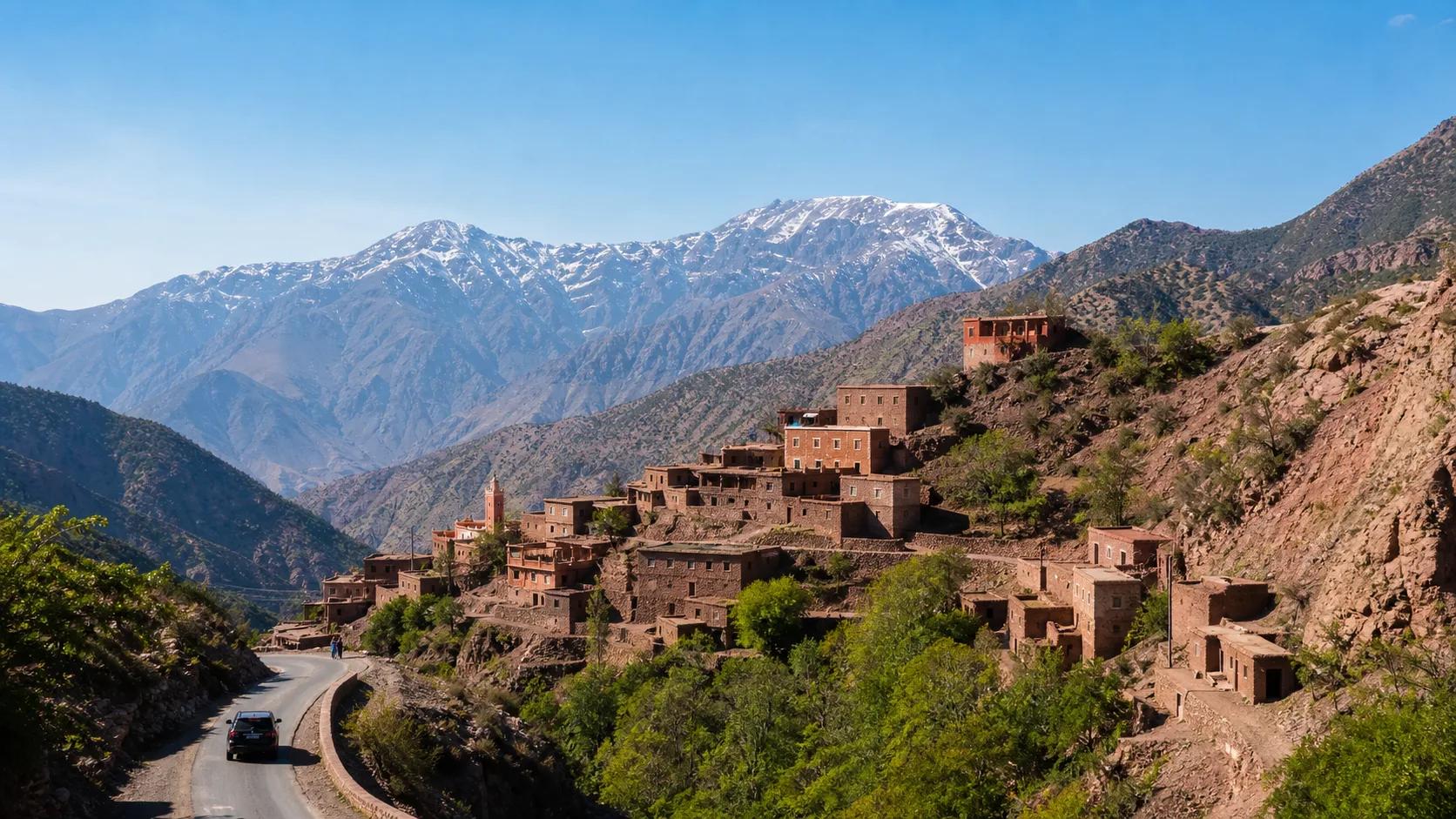
The High Atlas is in full winter. Passes above 2,000 metres (including the Tizi n'Tichka en route to Ouarzazate) can be closed by snow after a cold front. This happens a handful of times per winter, not routinely, but it is the kind of thing to have a contingency plan for. Lower Atlas routes (Ourika Valley, the Agafay plateau) are open year-round and pleasant in February.
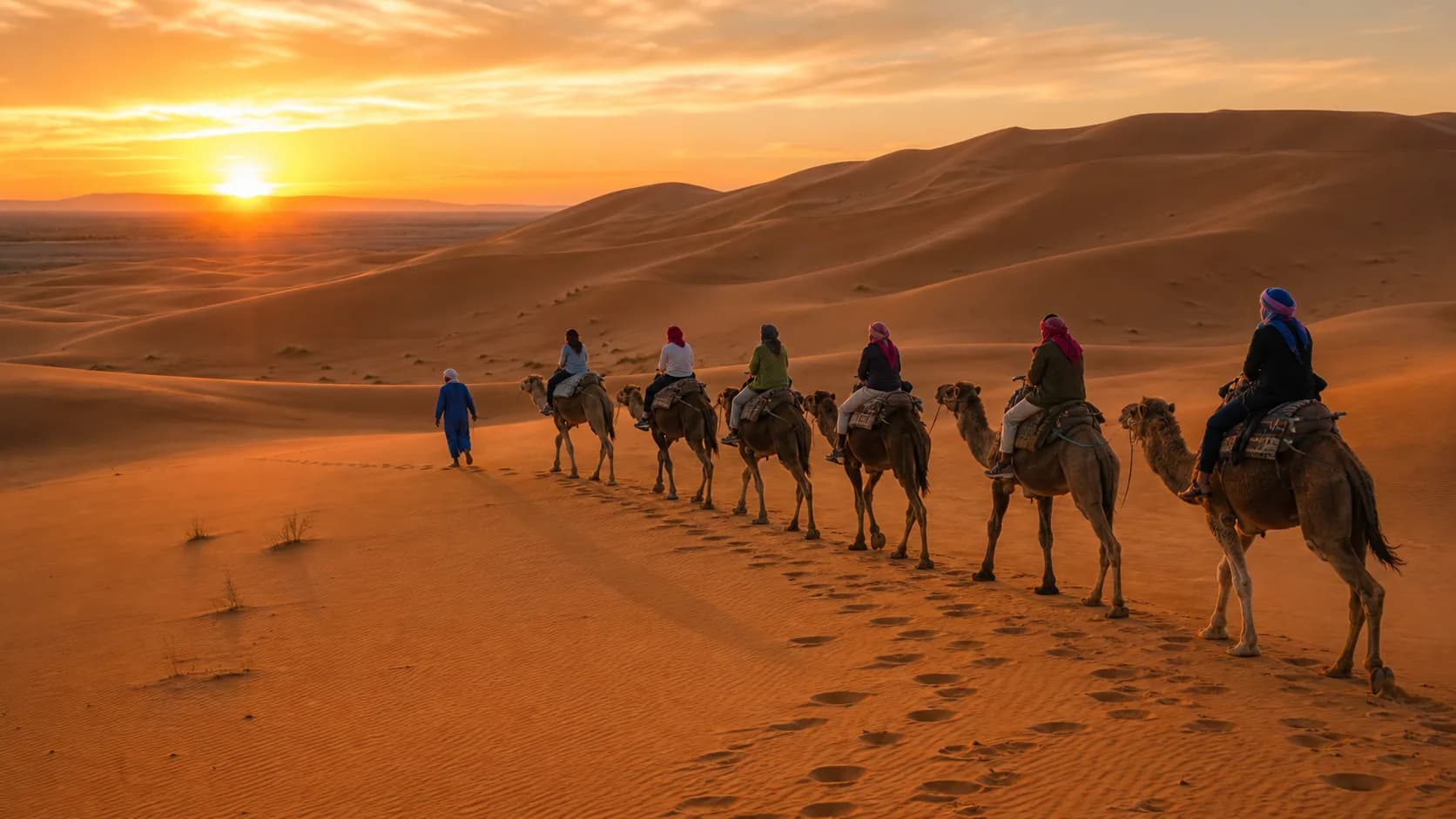
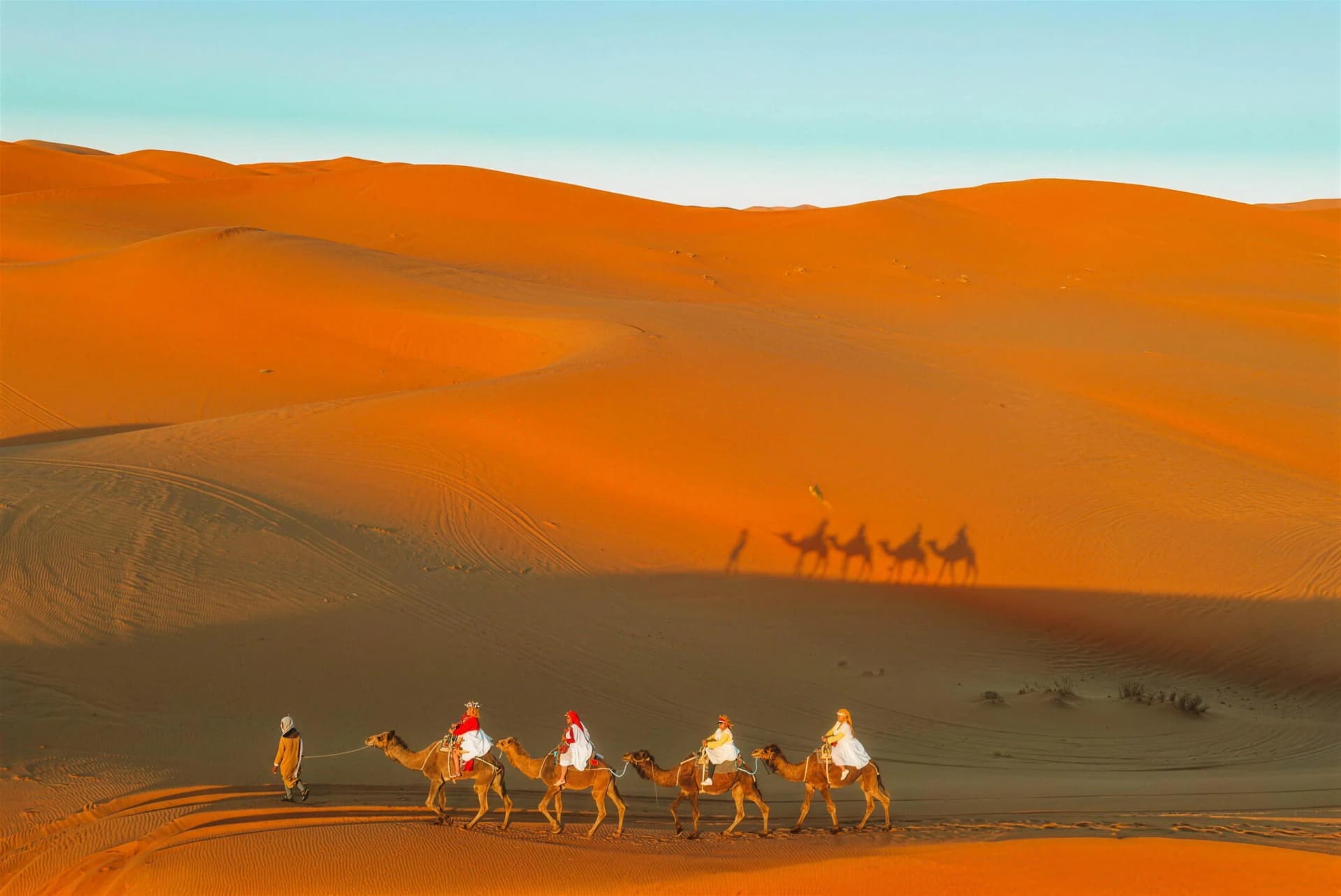
The Sahara (Merzouga, Erg Chebbi) runs 12–18°C by day in February, comfortable for camel trekking and hiking the dunes. Nights are cold: 0–5°C is typical, occasionally touching -3°C after a clear, windless night. Every camp provides blankets and many have heating in their tents, but confirm this when you book. Sunrise on the dunes in February is one of the finest sights in Morocco: cold air, golden light, and perhaps a dozen other people in a sand field the size of a small country.
Ramadan in February 2027: What Changes for You
Ramadan moves about 11 days earlier each year. In 2026 it began on 19 February; in 2027 it is expected from about 8 February to 8 March, with Eid al-Fitr about 9 March. So a February 2027 trip will almost certainly fall inside it.
- What stays open: hotels, riads, monuments, museums and restaurants that serve visitors. Your riad serves breakfast as usual.
- What changes by day: many local cafés and snack stalls close until sunset, and some sights shorten their afternoon hours. Your guide knows where to stop for lunch, and we put the big visits in the morning.
- What to avoid: eating, drinking or smoking in the street in daylight.
- The evenings: the hour before sunset goes quiet, then the medinas fill with families after iftar, the meal that breaks the fast. Harira stalls, sweets and late markets run well into the night.
- The desert: camps run as normal and serve dinner after sunset.
The Almond Blossom Season: Morocco's Best-Kept Secret
The Tafraoute valley in the Anti-Atlas, roughly three hours south of Agadir by road, produces one of North Africa's most spectacular natural events in late January and February. The almond trees, which blanket the hillsides among the pink granite boulders the region is famous for, come into full blossom before the leaves appear, covering the landscape in white and pale pink. The Ameln Valley, stretching beneath Jebel El Kest, is particularly beautiful.
There is no fee to enter, no organised "blossom tour" ecosystem, no tourist infrastructure built around it. You drive or are driven through villages, stop where the light is good, and have the landscape almost to yourself. Local markets in Tafraoute itself (particularly the Wednesday souk) are busy with Berber families; argan oil, almond paste, and local saffron are sold in small shops that haven't adjusted their prices for foreigners.
For photographers, February in Tafraoute competes with Chefchaouen as Morocco's most rewarding subject. The granite formations glow orange at sunrise, the blossoms provide a middle layer, and the snow-dusted peaks of Jebel El Kest rise behind everything. You cannot replicate this image any other month of the year.
Tafraoute requires an overnight stay to visit properly from either Agadir or Marrakech, the road from Agadir is the quickest option (around 2.5 hours on well-paved roads). On a private Morocco tour, combining Tafraoute with the Paradise Valley near Agadir and the Souss-Massa lagoon makes an exceptional three-day Anti-Atlas circuit.
What February Means for the Medinas: Empty and Extraordinary
February is when the medinas of Fes and Marrakech operate closest to their true, pre-tourism pace. The Djemaa el-Fna in Marrakech is busy with Moroccan families in the early evening but emptier of organised tour groups than at any other month. You can sit on a rooftop café terrace over the square and watch the evening unfold without fighting for a view.
In Fes, the lack of crowds changes the experience of the tanneries. In peak season (March–May, September–October) the tannery viewpoints at Chouara are packed several rows deep; in February, you can take your time, change your angle, and have a real conversation with the leather workers below if you speak French or Darija.
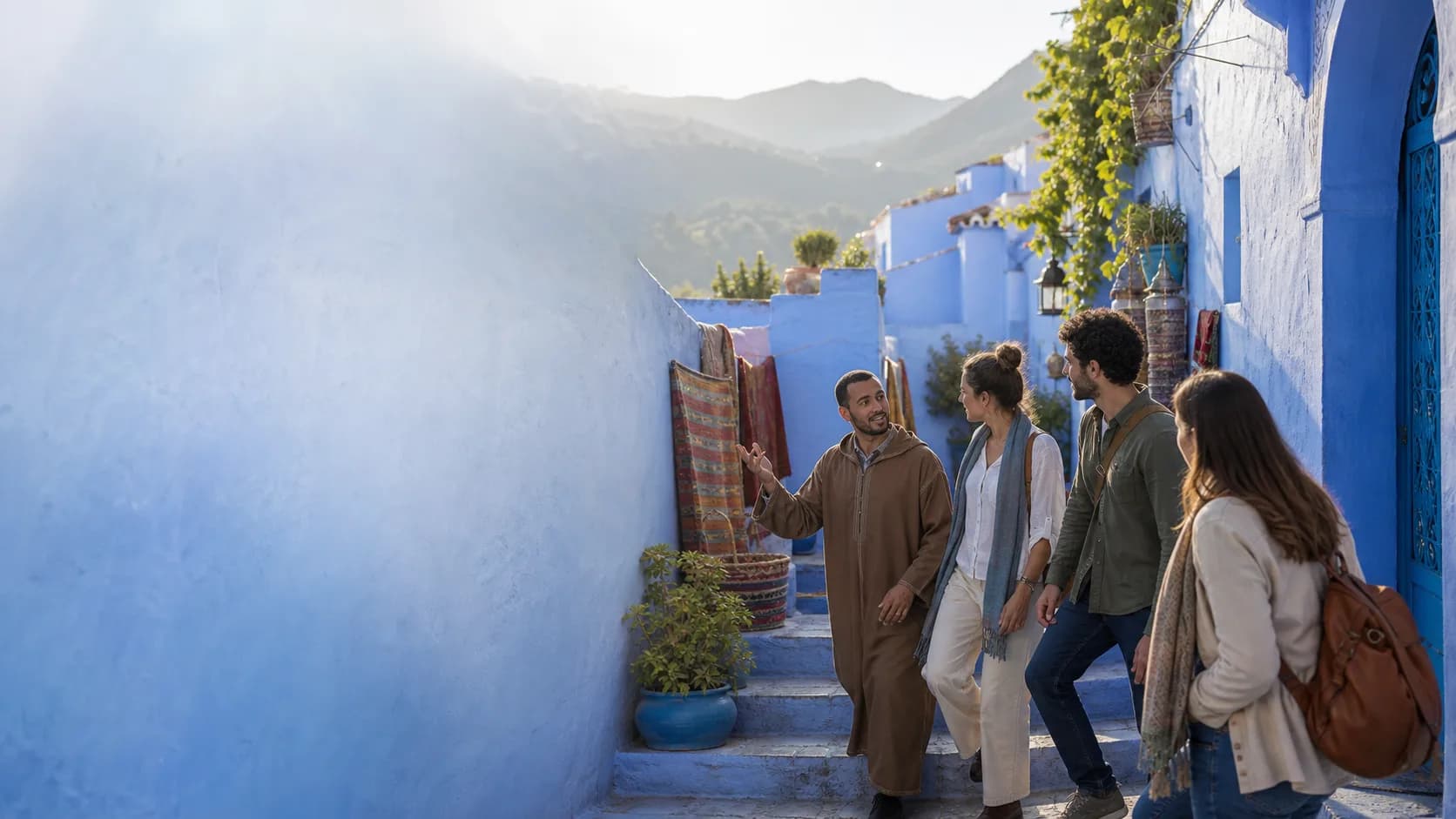
The souks are similarly unhurried. Artisans are working, not performing. Pricing is more straightforward. Guides are genuinely available rather than fully booked. If the culture of the imperial cities is your priority, February gives you those cities at their most authentic.
The one caveat is the French school holiday week, typically the second or third week of February depending on the school zone, which brings a meaningful wave of French visitors to Marrakech in particular. Riads fill up during this window and prices nudge higher. Booking in advance for that specific week pays off.
Sahara Logistics in February: What Changes
The Sahara in winter operates differently in a few practical ways that most guides gloss over.
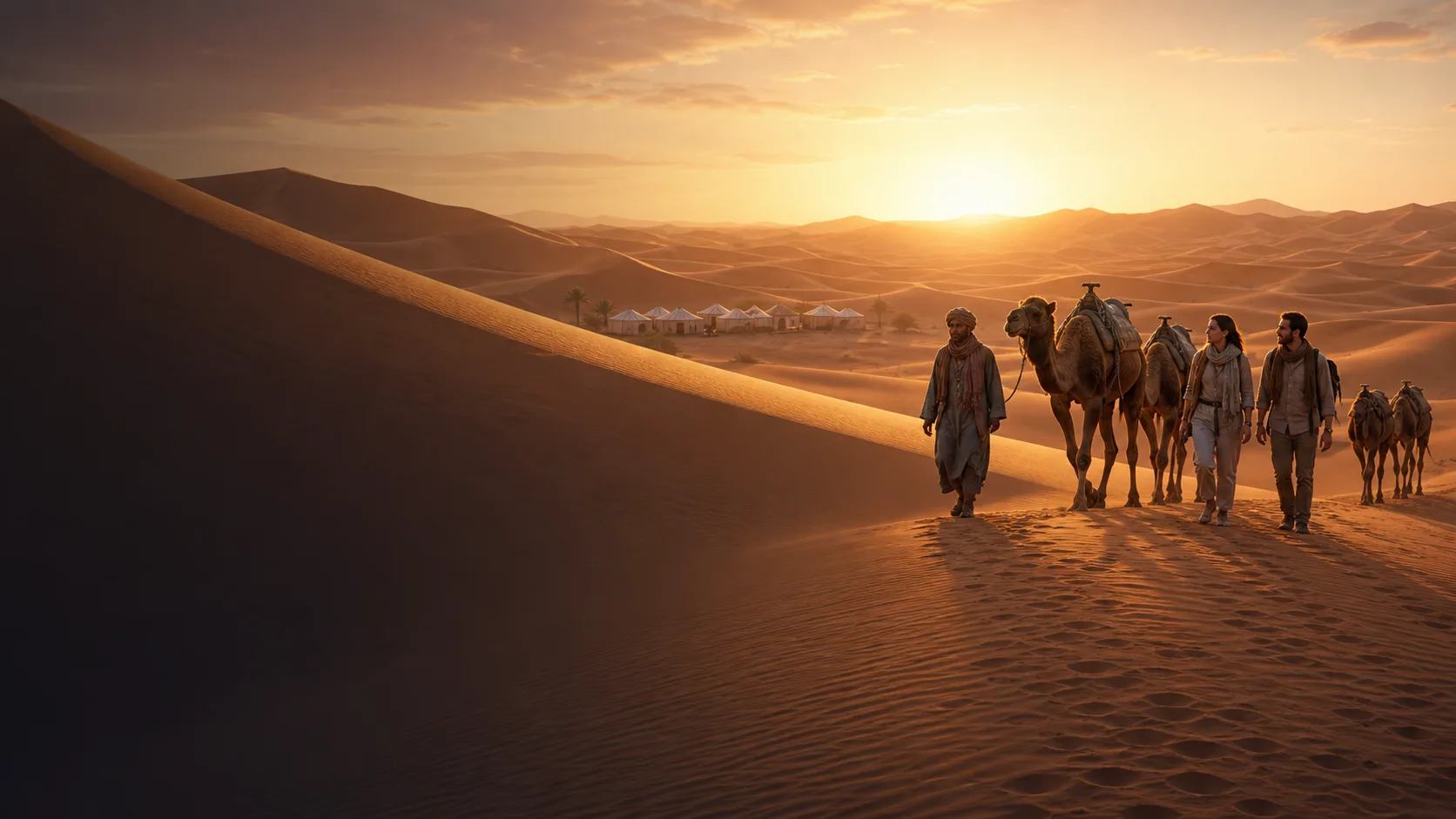
Desert camp heating: Not all camps heat their tents. The gap between a well-equipped luxury camp and a budget camp becomes stark at 2°C. On a private itinerary, we specify heated tents or en-suite bathroom blocks so this isn't something you discover on arrival.
Camel ride timing: In peak seasons, camel rides typically depart an hour before sunset. In February, sunset comes early and the temperature drops fast once the sun is gone. A good guide will time the ride to maximise your time on the dunes in warm light without leaving you cold on the return.
Sky quality: February skies are often the clearest of the year in the Sahara. With low humidity, no Sirocco dust storms, and 15+ hours of darkness, this is the premium window for desert stargazing. The Milky Way core is below the horizon in February, but the star density is remarkable and the absence of other camps' generator noise makes for extraordinary silence.
The Draa Valley: The route from Ouarzazate to Merzouga through the Draa Valley can be affected by flash flooding after Atlantic fronts push far south. This is rare in February but not unknown. Our drivers know the alternative routes and the updated road status; if you are driving independently, check conditions before committing to the Draa gorge section.
Oukaïmeden: Morocco's Only Ski Resort
Oukaïmeden, at about 2,600 metres in the High Atlas roughly 80 km from Marrakech, is often described as Africa's highest ski resort and a genuine skiing venue, not merely a tourist curiosity. A February visit can coincide with reasonable ski conditions, the resort typically runs lifts from January through March in a good snow year, with around 20km of pisted runs.
The ski resort is primarily used by Moroccan families and a small community of European expats based in Casablanca and Rabat. The infrastructure is basic compared to Alpine standards, but skiing with a view of the Sahara foothills and snow-covered High Atlas is an experience that doesn't exist anywhere else in North Africa. Day trips from Marrakech are entirely feasible, taking around 90 minutes by car each way; the road to Oukaïmeden is paved but can require chains after heavy snowfall.
Snow conditions vary year to year. Check the resort's current status before including it in a fixed itinerary, and build in a Plan B (the Ourika Valley below Oukaïmeden is beautiful in any weather).
February vs. the Shoulder Months: An Honest Comparison
| Factor | February | March–April | September–October |
|---|---|---|---|
| Crowds | Lowest of the year | Moderate to busy | Moderate |
| Temperatures (Marrakech) | 18–22°C days | 22–30°C days | 24–30°C days |
| Sahara temps (day) | 12–18°C | 20–28°C | 25–32°C |
| Sahara temps (night) | 0–5°C | 10–15°C | 12–18°C |
| Atlas snow risk | Moderate (high passes) | Minimal by April | None |
| Almond blossom | Peak | Over | Not applicable |
| French holiday crowd | 1-week surge | No | No |
The honest summary: if you are comfortable with cold desert nights and the chance of an Atlas pass closure, February offers a version of Morocco that is difficult to replicate at any other time of year.
Practical February Details
What to pack: Layers are essential. Days in Marrakech and Fes are jacket weather, not coat weather, a medium-weight fleece or light down jacket handles most days comfortably. For the desert, bring an insulating mid-layer and a wind shell; gloves are not dramatic, they are practical for an early-morning dune walk. The Morocco packing guide has the full seasonal breakdown.
Flight prices: February is one of Morocco's cheapest months for flights from Europe. Airline pricing typically troughs in the second and third weeks of the month outside the French school holiday window.
Ramadan: expected from about 8 February to 8 March 2027 (see the section above). The Ramadan travel guide covers etiquette and what to expect.
Getting around: The Tizi n'Tichka mountain pass (A7 route between Marrakech and Ouarzazate) may close briefly after snowfall. Road closures are usually lifted within 12–48 hours but are worth monitoring on a tight schedule. The coastal route via Agadir to Ouarzazate stays open year-round and is only a few hours longer.
Internal Links You May Find Useful
Planning a wider February itinerary? The Fes medina guide covers navigating one of the world's largest car-free urban areas. The Atlas Mountains trekking guide has current route and season information. The Erg Chebbi vs Erg Chigaga comparison settles the Sahara routing question. If you are planning a month adjacent to February, Morocco in January covers the coldest month and Morocco in March the spring opener.
FAQ
Is Ramadan in February 2027? Yes, for most of the month. Ramadan 2027 is expected from about 8 February to 8 March, with Eid al-Fitr about 9 March. The dates follow the moon sighting in Morocco and can move by a day. Hotels, riads and sights stay open; many local cafés close until sunset.
Is Morocco warm enough to enjoy in February? In Marrakech, Fes, and Essaouira: yes, with a jacket. Days run 18–22°C, which is comfortable for city exploring and outdoor sightseeing. The Atlas highlands and Sahara nights are cold, pack accordingly.
Can I ski in Morocco in February? Oukaïmeden resort, 74km from Marrakech, typically runs lifts through February in a reasonable snow year. Conditions vary; check current snow reports before committing to a ski day.
Is the almond blossom in Tafraoute worth a detour? If the timing aligns (late January to mid-February), yes, it is the most underrated natural spectacle in Morocco and sees very few international visitors. An overnight in Tafraoute is required to do it justice.
How cold are the Sahara nights in February? Typically 0–5°C, occasionally touching -3°C after a clear night. Blankets are always provided; heated tents or rooms are available at mid-range and luxury camps, confirm when booking.
Are the medinas less crowded in February? Yes, February is the quietest month of the year in the major medinas. The French school holiday (roughly one week in mid-February) brings a surge of French visitors, but outside that window the cities are as unhurried as they get.
Does rain affect February travel? Rain is possible, particularly in the north (Tangier, Chefchaouen, Fes) and occasionally in Marrakech. Most of Morocco receives far less winter rain than European visitors expect. A wet day in the medina is still a good medina day.
Is February suitable for a honeymoon in Morocco? Yes. Quiet riads, candlelit medina evenings and cold, clear desert nights suit a honeymoon. Choose a riad with heating, and during Ramadan one that serves dinner in the evening; most do.
Plan a February 2027 Trip
Tell us your dates and we build a private route around Ramadan, the blossom valleys and a desert night; we plan the Sahara over at least five days so the drives are spread out. Start with a day trip from Marrakech or Agadir, pick your places in the Atelier, browse our tours, or ask for a free quote. A planner replies within 24 hours.
Tags
Share this article
Written by
Serenity Morocco editorial team
Serenity Morocco Tours
Our in-house editors and Morocco travel designers research, write, and fact-check every guide — drawing on first-hand local knowledge across the country's cities, desert, mountains, and coast.
Get Morocco Travel Insights