What is the history of Chefchaouen?

The short answer
Our team's answerChefchaouen was founded in 1471 in the Rif mountains as a fortress against Portuguese expansion. It became a refuge for Muslims and Jews fleeing Spain after 1492, which shaped its Andalusian character. Long closed to outsiders, the “Blue City” gained its famous blue-washed lanes in the 20th century.
Serenity Morocco Expert Team
Travel Designer · Staff · June 2026
Question
The full answer
A common question when planning a trip to Morocco, answered honestly by our travel designers.
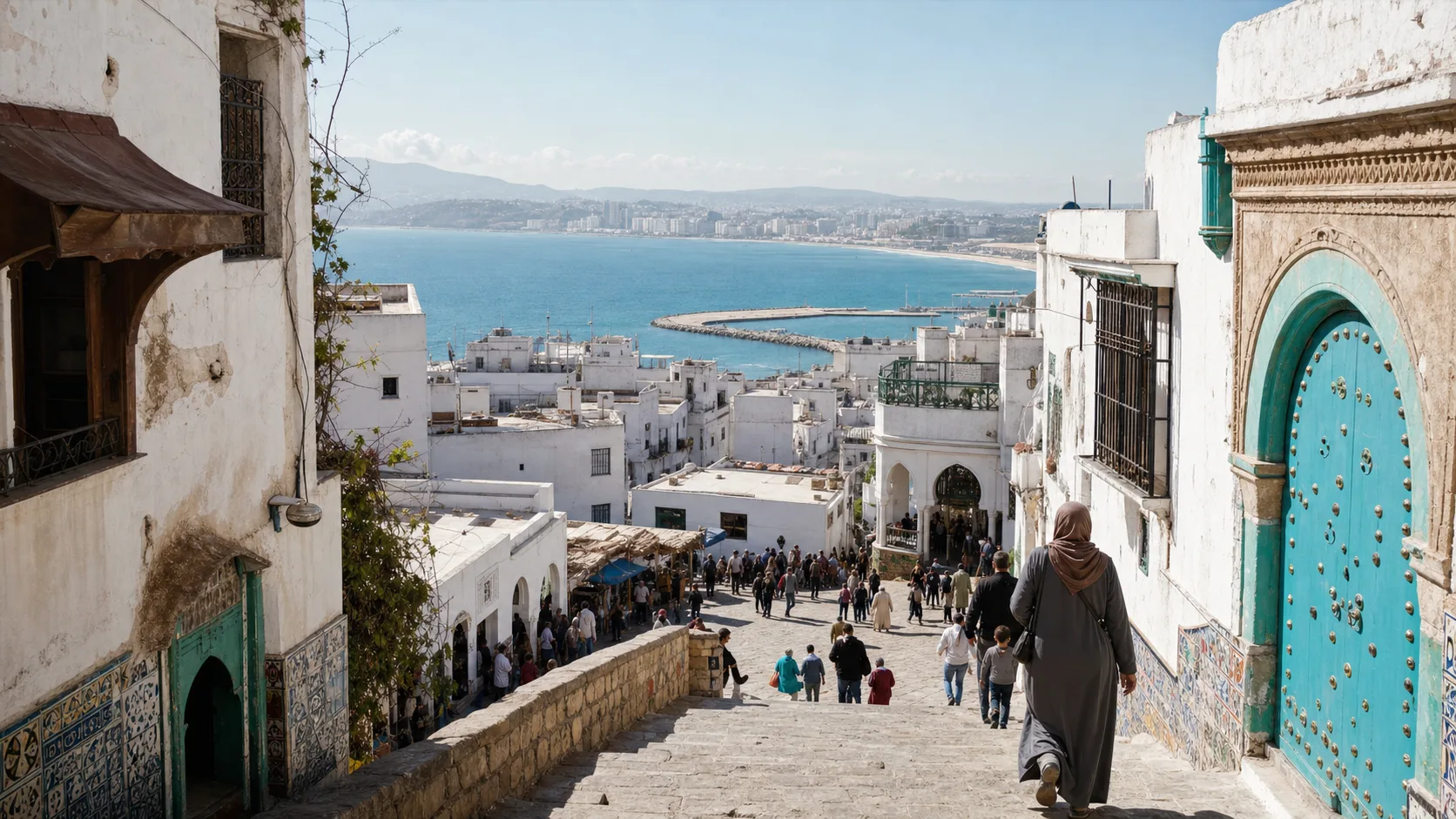
Chefchaouen has a more dramatic origin than its dreamy blue lanes suggest. It was founded in 1471 as a kasbah, a mountain stronghold in the Rif, built to resist Portuguese incursions along the northern coast. That defensive beginning is why it sits tucked into a fold of the mountains, hard to reach and easy to guard.
After the fall of Granada in 1492, waves of Muslims and Jews expelled from Spain settled here, and they brought Andalusian taste with them — the white houses, the red-tiled roofs, the courtyards. For centuries the town was so closed to outsiders, and so wary of Christians, that very few Europeans ever entered. That isolation preserved a remarkably intact Andalusian-Moroccan culture.
The blue everyone comes for is more recent and more debated than people expect. The lanes were traditionally whitewashed; the blue washes the town is known for spread mainly in the 20th century. Some attribute it to the Jewish community, some to keeping mosquitoes away or simply keeping cool, some to later tourism — honestly, it is probably a blend, and we tell guests to enjoy the mystery rather than insist on one answer.
My advice is to stay overnight rather than day-trip from the coast, because the best hours are the early morning and late evening when the day-tour crowds are gone and the light is soft on the blue walls. Climb to the Spanish Mosque on the hill at sunset for the view over the medina, and take time for the kasbah museum in the main square to ground the prettiness in real history.
- chefchaouen
- blue city
- rif
- andalusian
- history
- culture
Serenity Morocco Expert Team — Travel Designers, Serenity Morocco Tours. Answered June 2026.
After you ask for a quote
What you get within 24 hours
Your proposal contains
- A day-by-day route, with the driving time between stops
- Stays matched to your style (riads, kasbahs, desert camps or hotels), named so you can look them up
- Which moments are private to you, and which are shared, such as a camp’s dining tent
- An itemised quote: what is included and what is not
- Who is planning your trip, and how to reach them on WhatsApp
- Free, with no obligation to book
Before you pay a deposit, we confirm
- Opening days for the places on your route, including Friday and holiday closures
- Meal stops along the way, and any dietary needs
- Prayer or Shabbat timing, if it matters to you
- Step-free access, wherever you need it
- The vehicle class for your group and your luggage
Every trip is private and priced to your dates, so there is no fixed price list. Ask, and the proposal shows the full cost before anything is booked.
From the answer to the trip
Chefchaouen and the Rif, privately
The blue town is three to four hours from Fes or Tangier. A private driver-guide makes it an easy stop on a northern route, with time for a Rif walk.
- 6 days · Northern MoroccoNorthern Morocco & Chefchaouen
- 7 days · Northern MoroccoNorthern Morocco Explorer

A planner in Casablanca replies with a day-by-day route and a quote within 24 hours.
Ask a follow-up question
Something this answer does not cover? Send us your question and our travel designers will read it.