What are common Amazigh / Berber sayings?
The short answer
Our team's answerThe Amazigh (Berber) people have their own languages (Tamazight, Tashelhit, Tarifit) and rich sayings. A greeting you will hear is "Azul" (hello) and "Azul fellawen" (hello to you all). Many Berber proverbs celebrate the land, water, hospitality and resilience.
Serenity Morocco Expert Team
Travel Designer · Staff · June 2026
Planning a trip around this? Get a free route and quote
Question
The full answer
A common question when planning a trip to Morocco, answered honestly by our travel designers.
The Amazigh — the indigenous "Berber" people of Morocco — have their own languages and a treasury of sayings older than Arabic in this land. The first word to learn is "Azul" — hello — often with hand on heart. "Azul fellawen" greets a group. In the Atlas and the south you will be met with "Azul" long before "Salam," and using it back delights people; it tells them you see and honour their heritage.
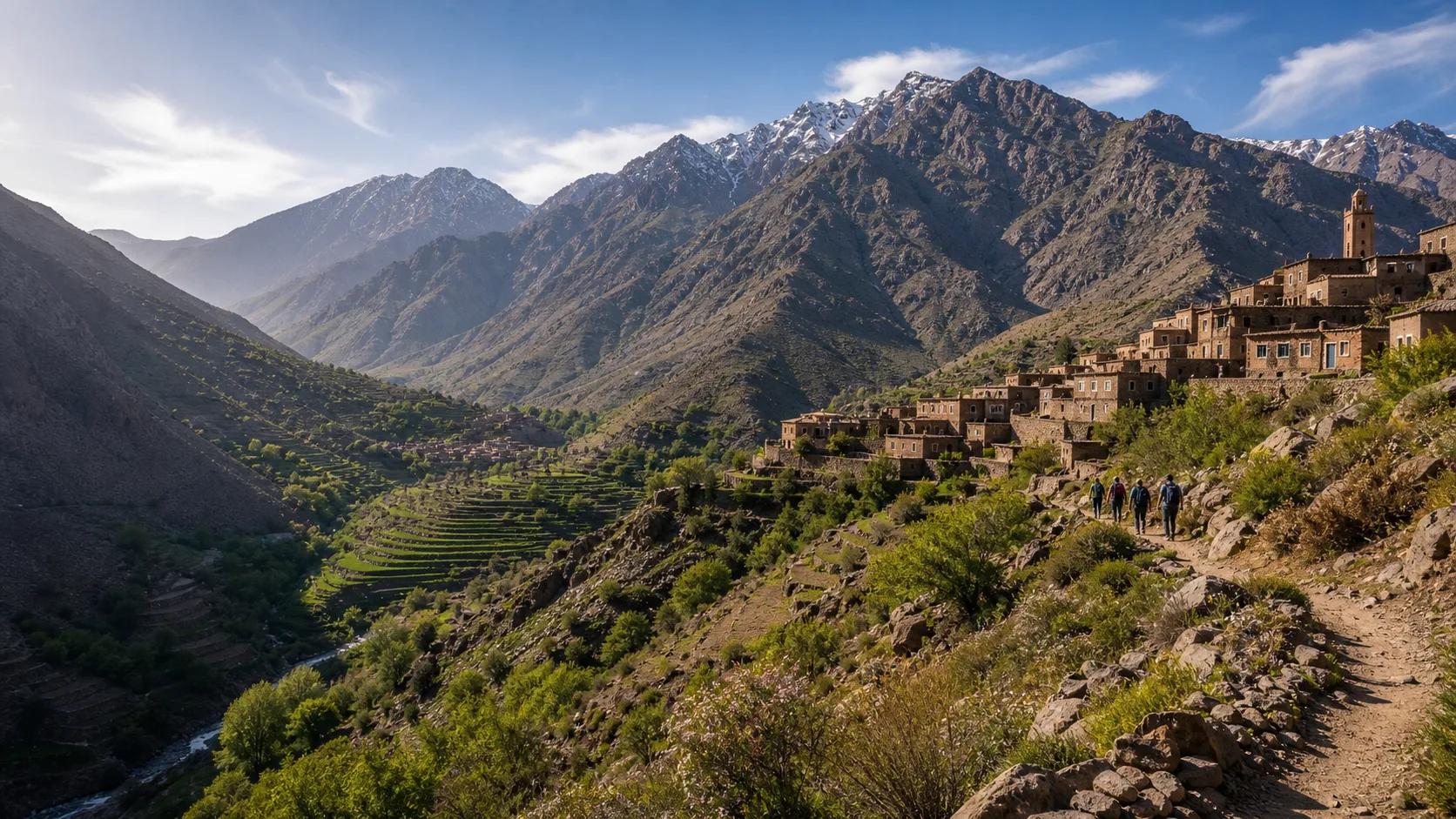
Berber proverbs are shaped by mountain and desert life, where water and welcome mean survival. There is a beautiful one — "Aman iman" — water is life (literally "water is soul") — which you will see and hear across the south. Another speaks to community: that one finger cannot lift a pebble, but a whole hand can move a stone. The wisdom is earthy, practical, rooted in a hard and beautiful landscape.
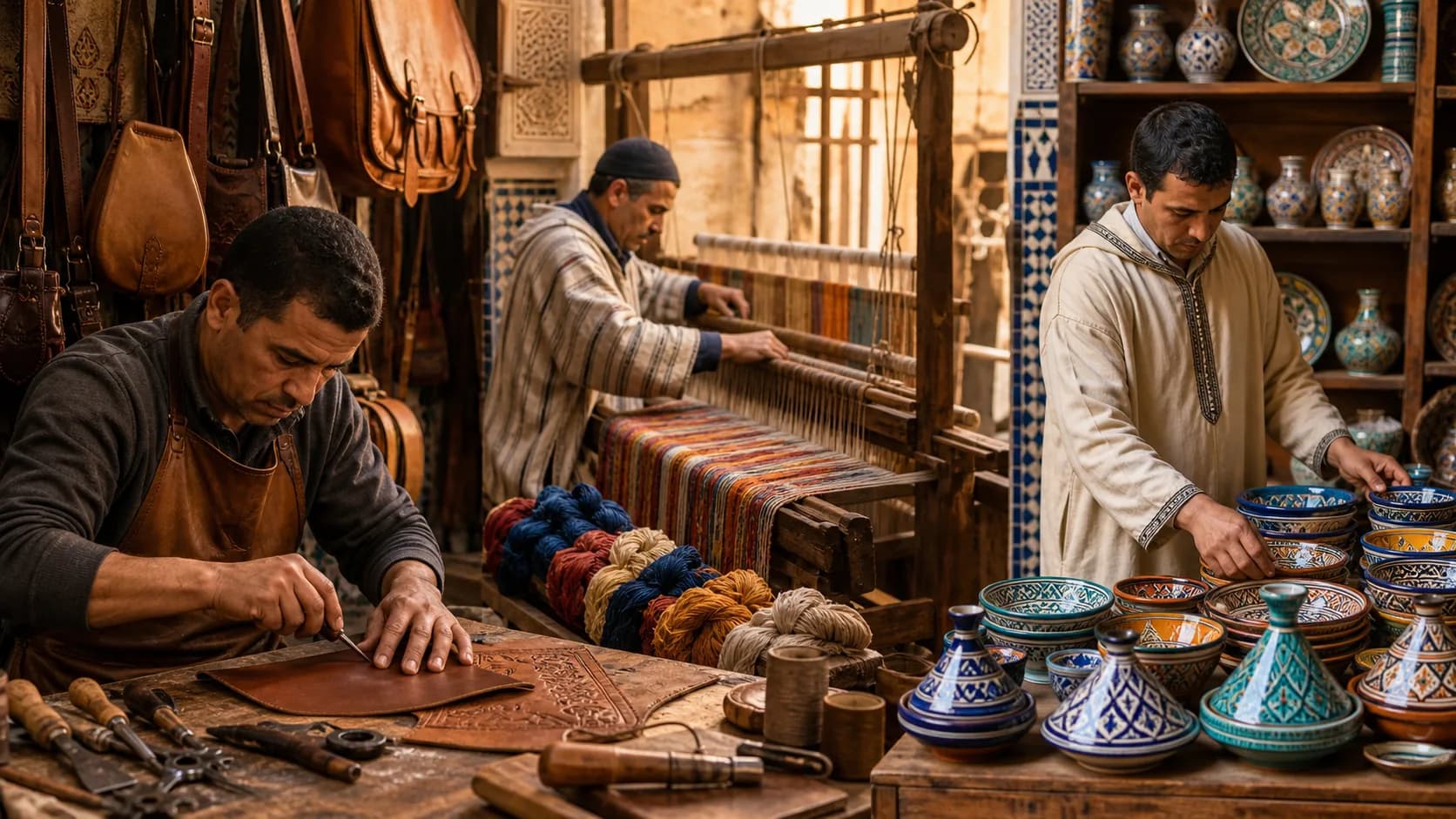
Hospitality runs through Amazigh sayings as deeply as through Arabic ones — a guest in a mountain village is fed and sheltered no matter how little the family has, because the desert teaches that today's host may be tomorrow's traveller. Welcome for the stranger is a recurring theme in these sayings. Resilience and dignity in hardship are recurring themes too.
The value behind Amazigh sayings is a profound bond with the land and with community — survival here has always depended on sharing water, food and shelter. When you travel through the Atlas or the Sahara, learning even one Tamazight word is a gift that opens doors. Say "Azul" with a smile and hand on heart, and you will feel the warmth come straight back.
- amazigh
- berber
- tamazight
- azul
- aman iman
- culture
- language
Serenity Morocco Expert Team — Travel Designers, Serenity Morocco Tours. Answered June 2026.
After you ask for a quote
What you get within 24 hours
Your proposal contains
- A day-by-day route, with the driving time between stops
- Stays matched to your style (riads, kasbahs, desert camps or hotels), named so you can look them up
- Which moments are private to you, and which are shared, such as a camp’s dining tent
- An itemised quote: what is included and what is not
- Who is planning your trip, and how to reach them on WhatsApp
- Free, with no obligation to book
Before you pay a deposit, we confirm
- Opening days for the places on your route, including Friday and holiday closures
- Meal stops along the way, and any dietary needs
- Prayer or Shabbat timing, if it matters to you
- Step-free access, wherever you need it
- The vehicle class for your group and your luggage
Every trip is private and priced to your dates, so there is no fixed price list. Ask, and the proposal shows the full cost before anything is booked.
From the answer to the trip
The imperial cities, with a local guide in each
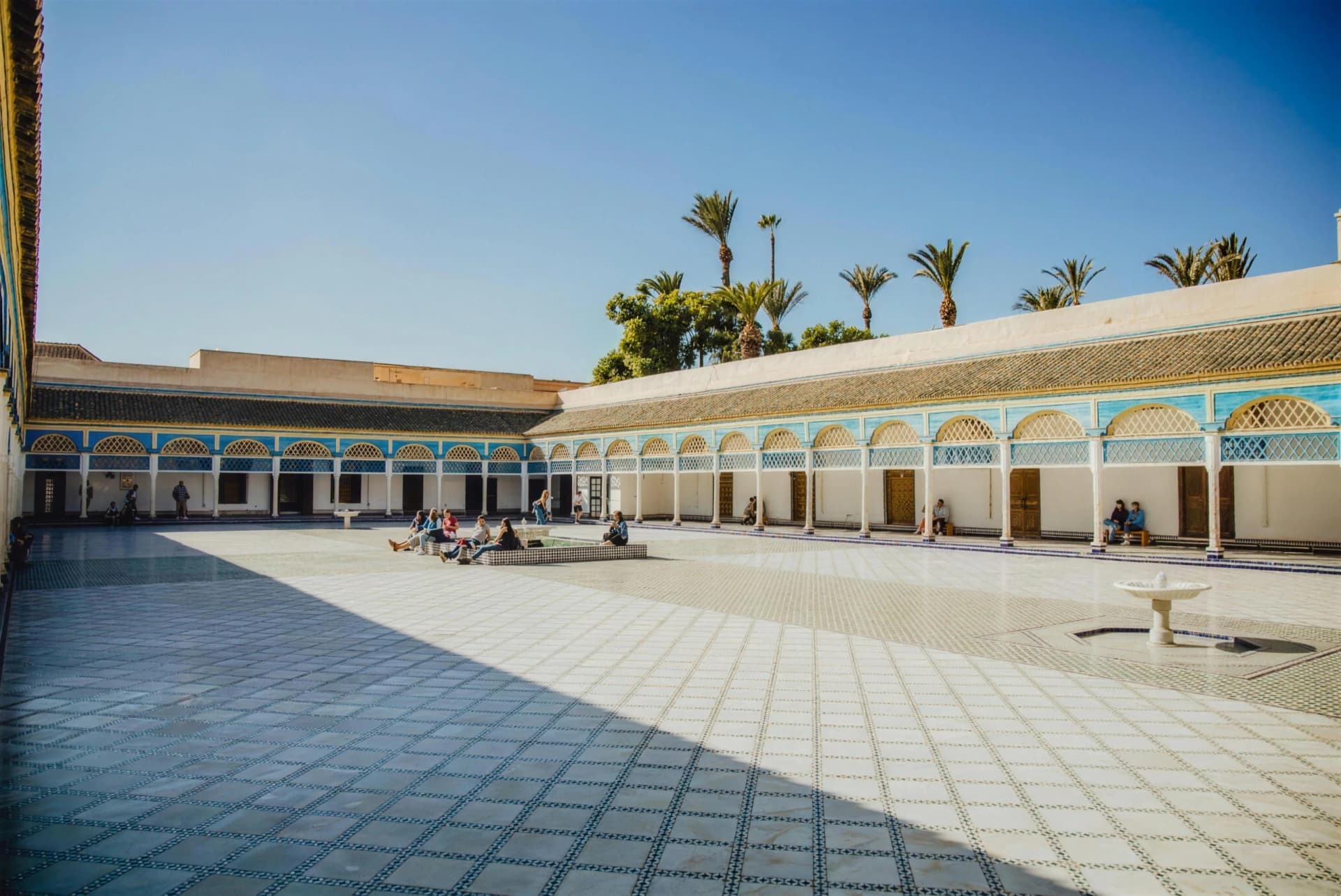
Fes, Meknes, Rabat and Marrakech each have their own medina, palaces and crafts. A local guide in every city is the quickest way in.
- 9 days · Central MoroccoImperial Cities Journey
- 6 days · Fes & MarrakechMedina Heritage Walking Tour
- 5 days · FesFes Culinary & Craft Immersion
A planner in Casablanca replies with a day-by-day route and a quote within 24 hours.
Ask a follow-up question
Something this answer does not cover? Send us your question and our travel designers will read it.